












Naval systems
Advanced integration of combat, communications and propulsion for the maritime domain.



Turnkey integration of command, control, communications and propulsion for frigates, submarines and patrol vessels.

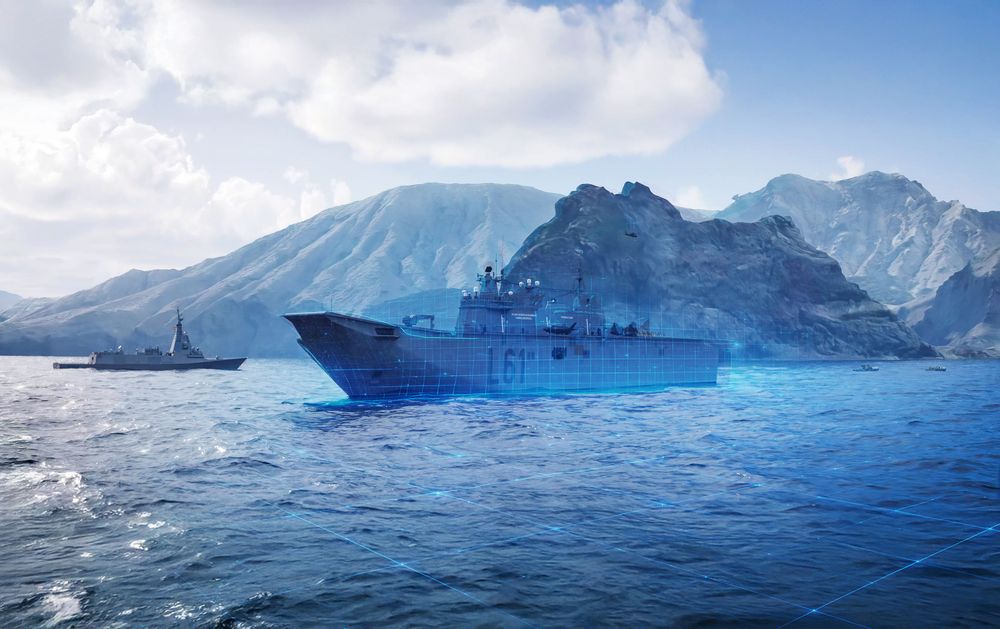
Navantia Naval Systems is a leading integrator in Combat Systems Integration (CSI) and Propulsion Systems Integration (PSI), offering comprehensive “turnkey” solutions for all types of warships: frigates, submarines, patrol vessels and aircraft carriers. Thanks to extensive experience and licensing partnerships with leading manufacturers, Navantia guarantees technological independence and compliance with the most demanding requirements of each customer.
Command, Control and Information Systems
Its flagship systems include CATIZ, a command and control system that integrates sensors, weapons and data links; DORNA, a state-of-the-art fire control system; and ARGOS21, an integrated ship information platform with condition-based maintenance and availability forecasting. These systems enable centralised and automated management of all combat capabilities, enhancing operational effectiveness in complex environments.
Integrated Communications and Navigation
Navantia has developed solutions such as NAVCOMS, its integrated communications system, and HERMESYS, a unified communications control system, covering everything from satellite links to ship-to-shore networks. Complementing these is MINERVA, an integrated navigation and bridge system that optimises navigational safety and efficiency in contested environments, while ensuring interoperability with allies and resilience to interference.
Propulsion and platform control
In the propulsion field, the PSI division encompasses shaft lines, gearboxes and licensed turbines, as well as diesel engines and generator sets. For platform control, it offers COMPLEX/SIMPLEX, a distributed system that supervises propulsion, HVAC, pumping and damage-control systems, reducing crew workload and maximising vessel availability.

Naval systems
Comprehensive combat and propulsion solutions for the new generation of vessels


