














Environmental impact
We protect and care for the natural environment responsibly


Navantia combats climate change with sustainable shipbuilding, managing its shipyards to reduce environmental impact and designing products in line with international environmental protection standards, especially for the marine environment.
Navantia has set the goal of achieving carbon neutrality (Net Zero) by 2040 for scopes 1 and 2, achieving a 55% decarbonisation by 2030. It is committed to measuring and reducing the impact of its carbon footprint derived from its activities.
Navantia aims to be Net Zero by 2040
To achieve this goal, Navantia is implementing a Decarbonisation Plan focused on scopes 1 and 2, and is also working on considering and measuring scope 3. As part of its commitment to the regions in which it operates, Navantia develops initiatives aimed at reducing and offsetting its carbon footprint.
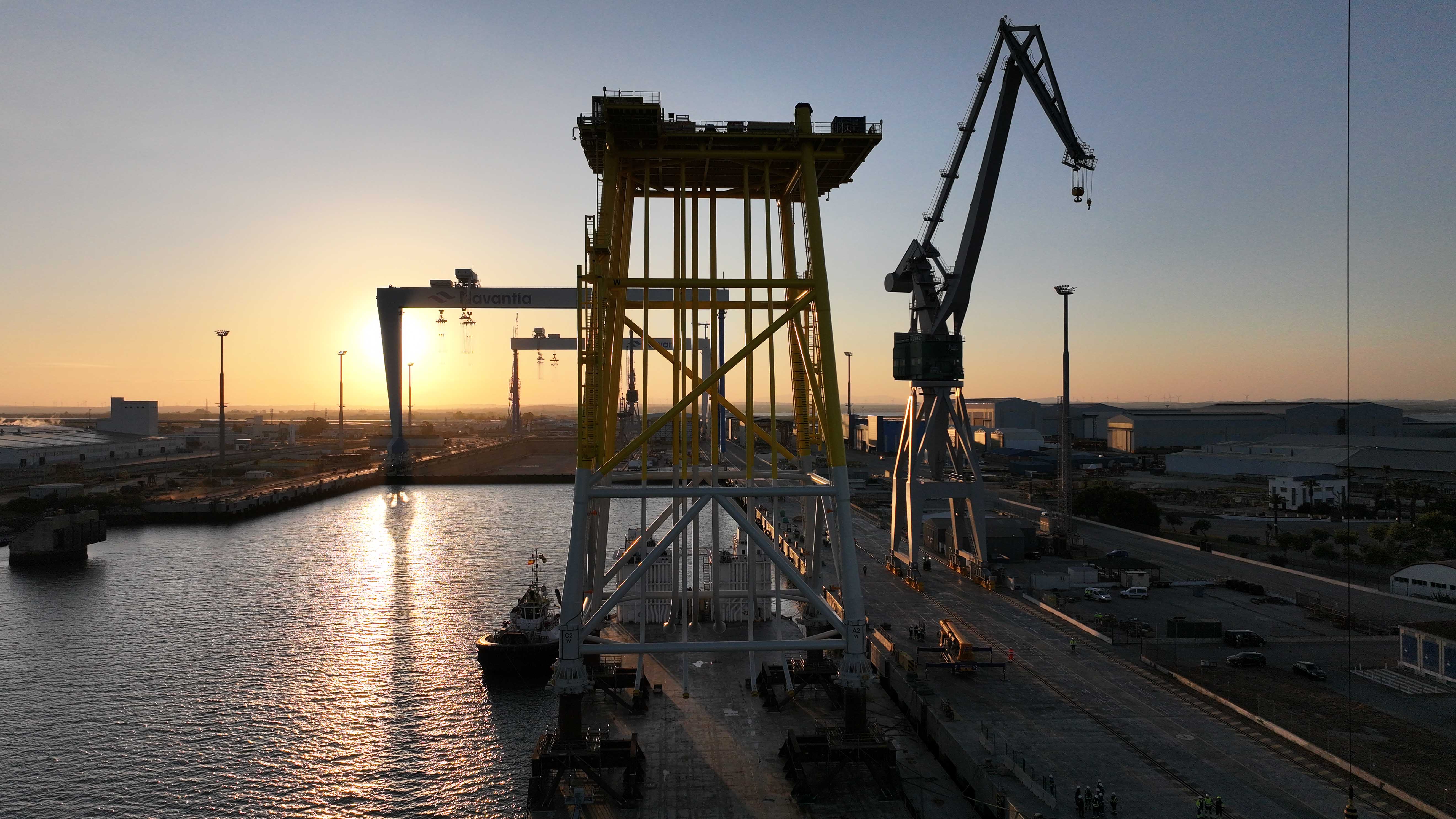
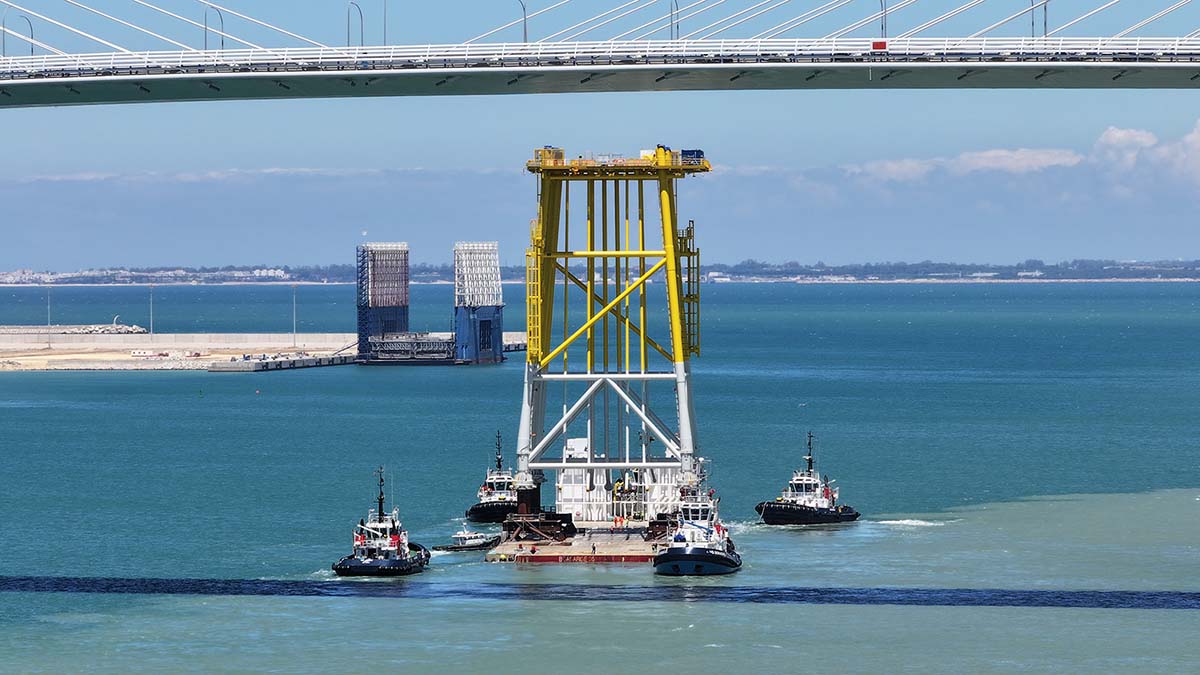
Navantia Circular and Eco-design
Eco-design means incorporating environmental criteria in the early stages of design, considering this variable as another project requirement, thus ensuring its implementation in the final product. Navantia is committed to the environment, integrating eco-design principles into its activities. It seeks to be at the technological forefront in order to improve its competitiveness and future positioning, and promotes sustainable projects that are non-polluting, circular and environmentally neutral.
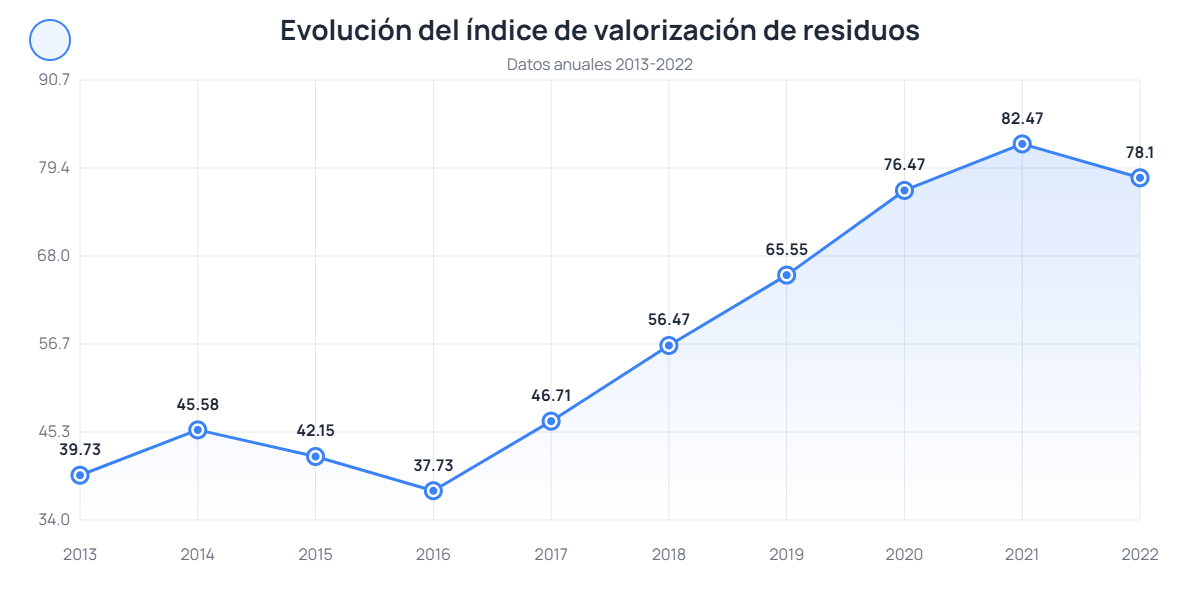
Navantia follows a waste policy that prioritises the prevention, reuse, recycling and recovery of waste, leaving disposal as a last resort. It promotes the circular economy to maximise the use of resources and reduce waste generation. The aim is to recycle or recover a greater amount of non-hazardous waste instead of sending it to landfill, thereby increasing the percentage of waste that is reused.

Biodiversity and Marine Environment
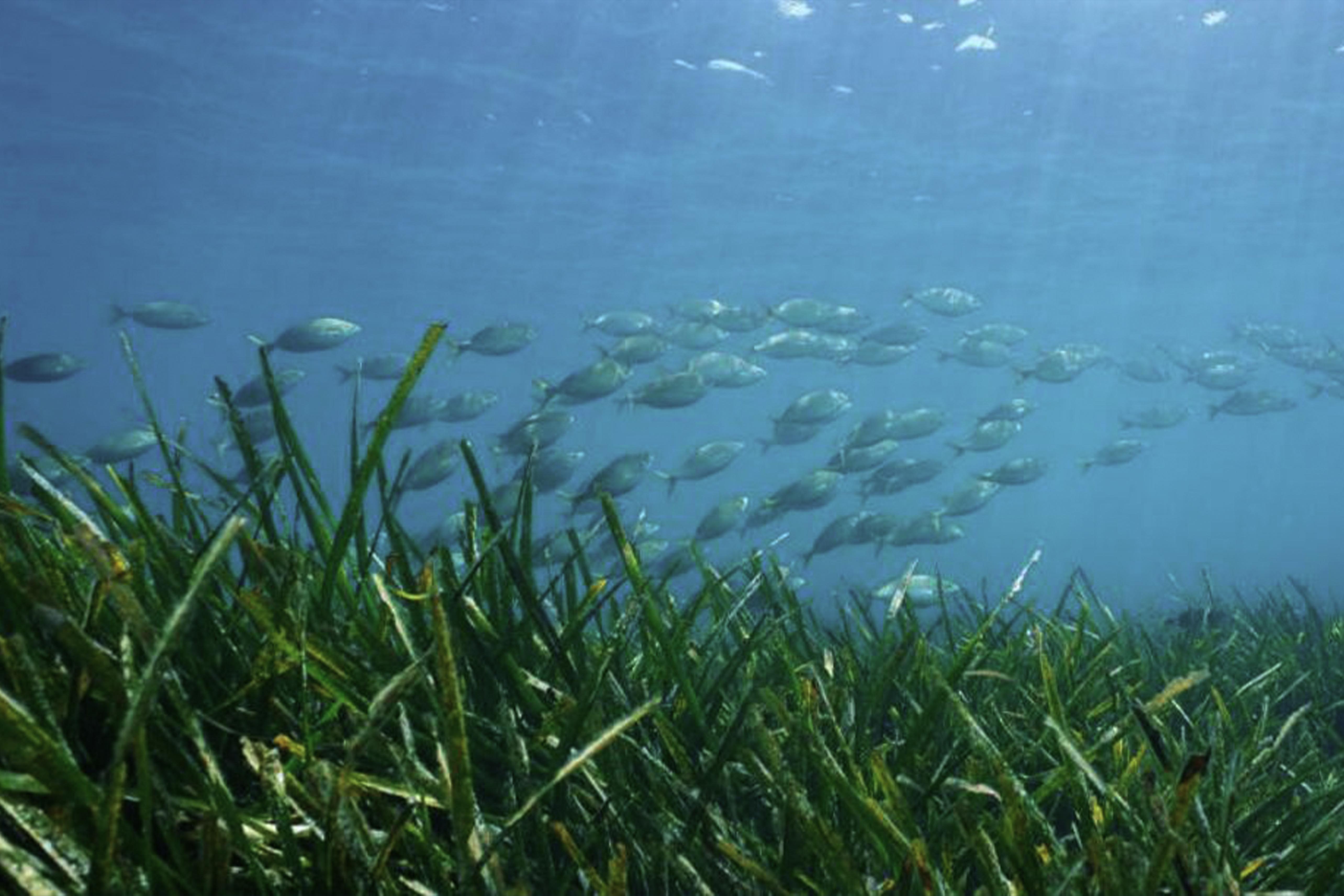
Navantia works to conserve biodiversity and protect marine and coastal ecosystems, promoting research in marine technology. Since 2020, it has been a signatory to the Biodiversity Pact with the Fundación Biodiversidad of the Ministry for Ecological Transition and the Demographic Challenge (MITERD), demonstrating its commitment to the conservation and sustainable use of biodiversity.

Navantia Ecosystem
Projects to offset greenhouse gas (GHG) emissions through reforestation (Navantia Forest) or blue carbon sequestration.

Biodiversity space
The Cortadura Garden in the Cartagena Dock recreates Mediterranean natural spaces with native species. It promotes biodiversity by acting as a hub for the dispersal of local seeds.
Biodiversity and business
Application of the Taskforce on Nature-related Financial Disclosures (TFND) criteria to corporate biodiversity (valuation of ecosystems/ecosystem services).
The “Navantia Ecosystem” project promotes the offsetting of emissions through reforestation and the conservation of marine ecosystems, contributing to carbon sequestration and biodiversity protection. Navantia also publishes data on marine fauna in collaboration with the Spanish node of GBIF (Global Biodiversity Information Facility), sponsored by the Ministry of Science and Innovation and managed by the CSIC, reinforcing its commitment to science and environmental transparency.
Certifications and Commitments
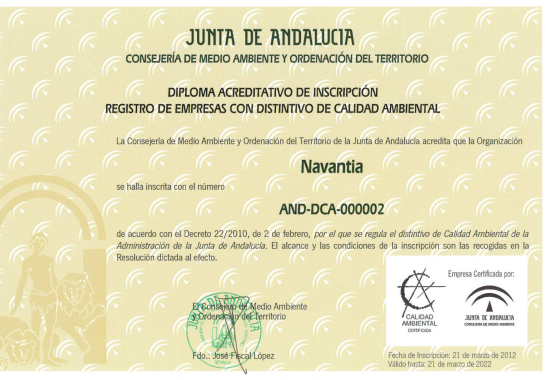
Navantia is certified to ISO 14001:2015, an international standard that endorses its commitment to responsible environmental management. This certification applies to all its production hubs, including the sites in the Bay of Cadiz, the Ferrol Estuary and the Cartagena Dockyard, ensuring that each facility implements effective environmental management systems in line with the highest international standards. This commitment also extends to its head offices in Madrid, thereby reinforcing an environmental policy integrated throughout the organisation. This accreditation demonstrates Navantia’s strong commitment to sustainability, continuous improvement and respect for the environment in the development of its industrial activities.
MITERD Certification
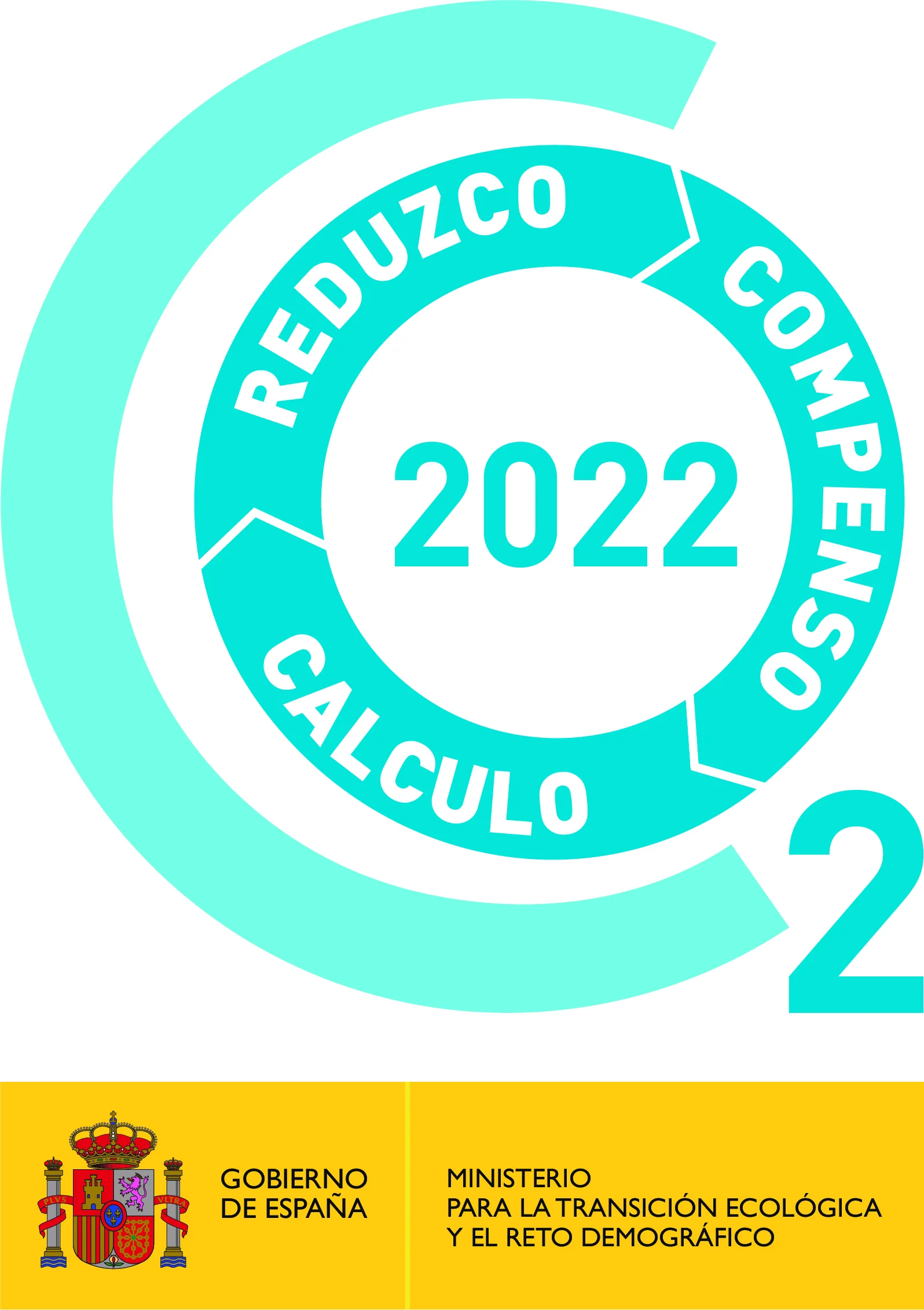
Navantia holds full MITERD certification in the three categories of the carbon footprint label: “Calculate”, “Reduce” and “Offset”. This recognition, granted by the Ministry for Ecological Transition, drives organisations’ voluntary commitment to measuring, reducing and offsetting their climate impact.