











Patrol Vessels
Effective coastal surveillance for demanding environments
Back to Navantia Business Lines Menu

Advanced naval defence with versatile capabilities

Global operational support on the high seas
Effective coastal surveillance for demanding environments
STRATEGIC PROJECTION. AIR AND AMPHIBIOUS
Strategic sustainability through advanced logistics
Silent immersion with cutting-edge technologies
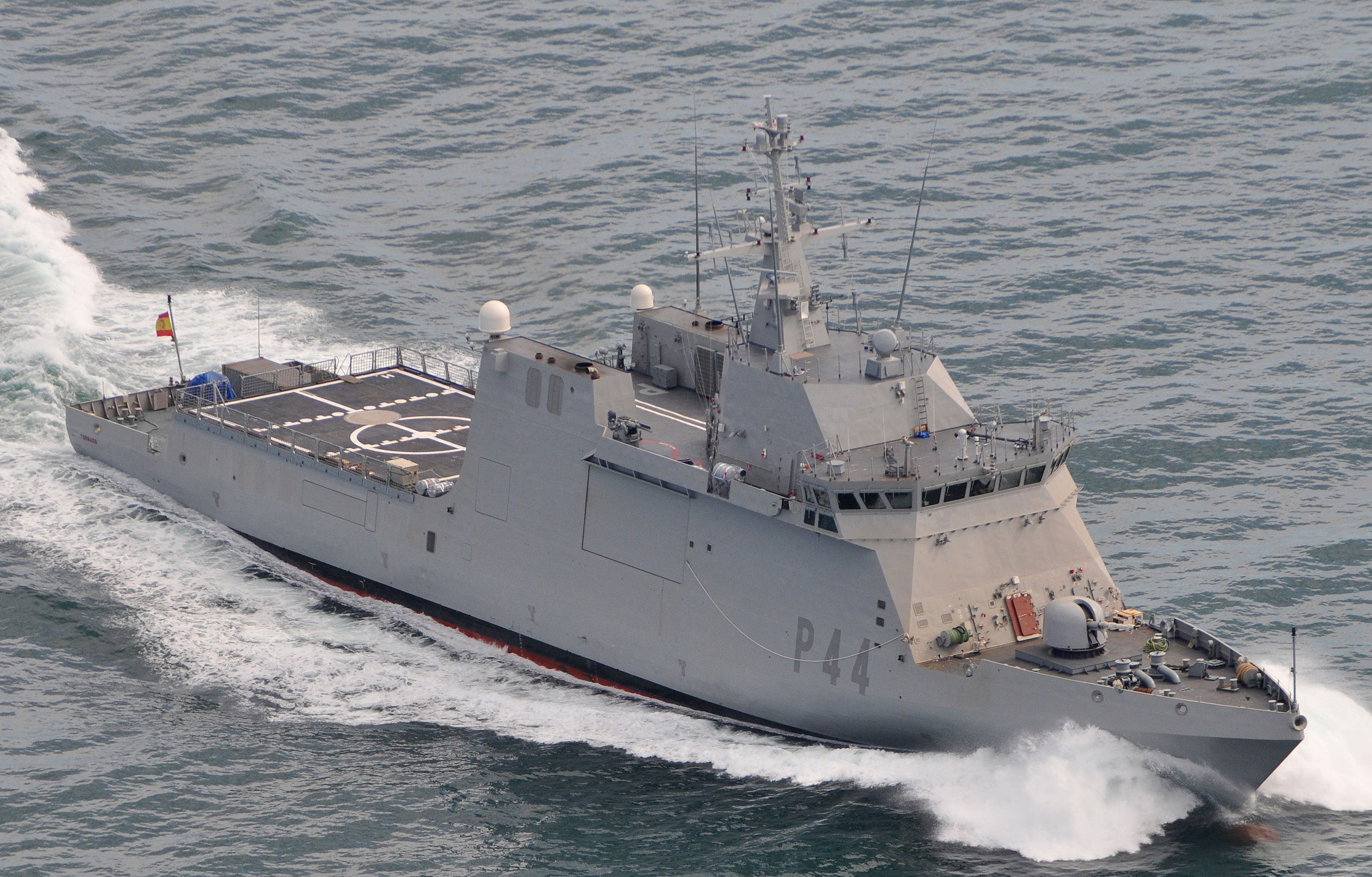
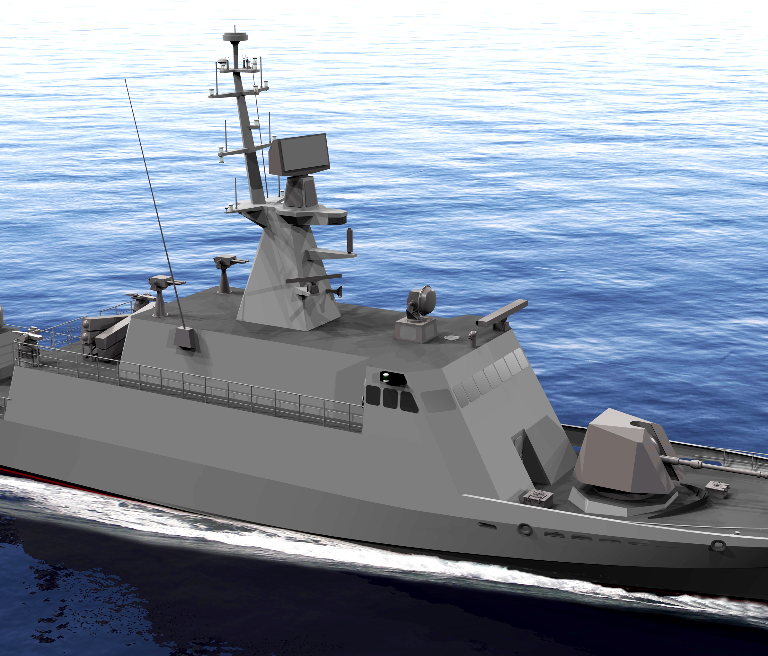
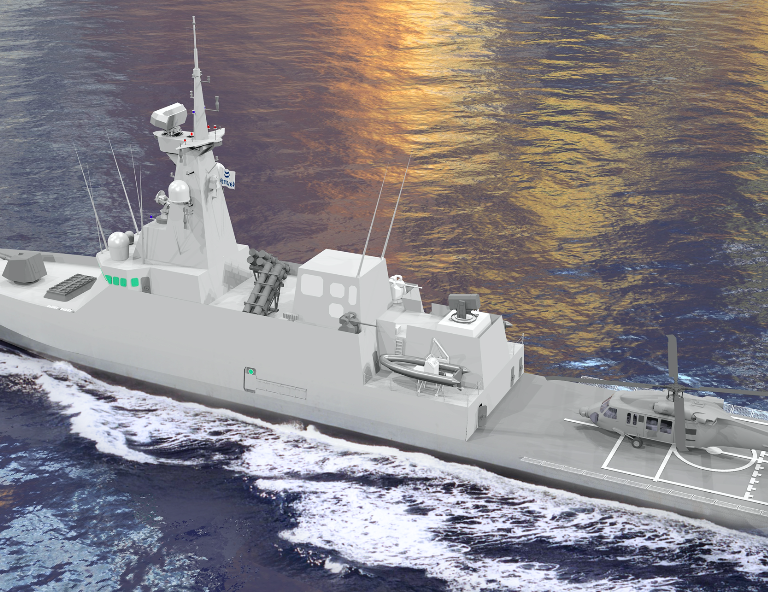
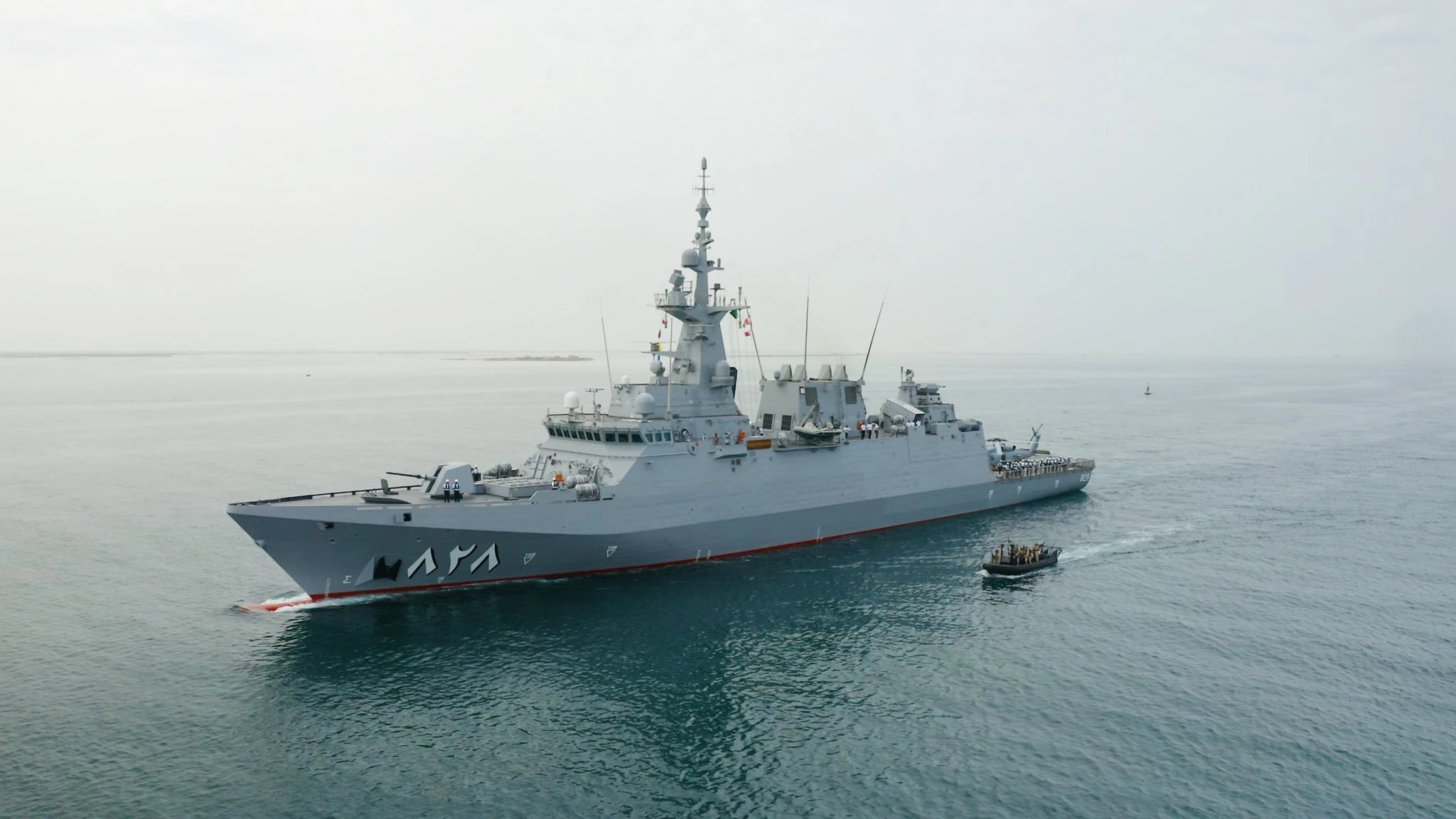
Avante 3000: Spanish naval versatility for the most demanding missions
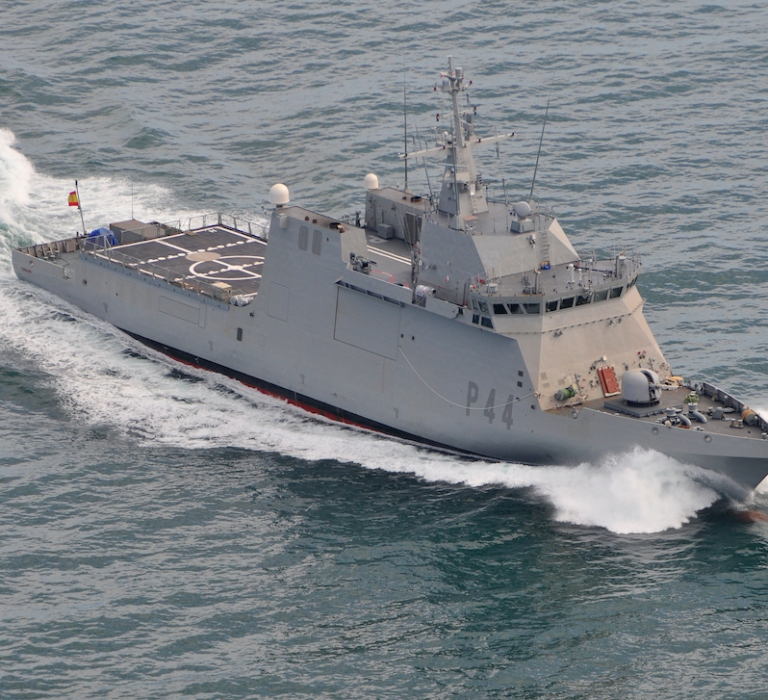
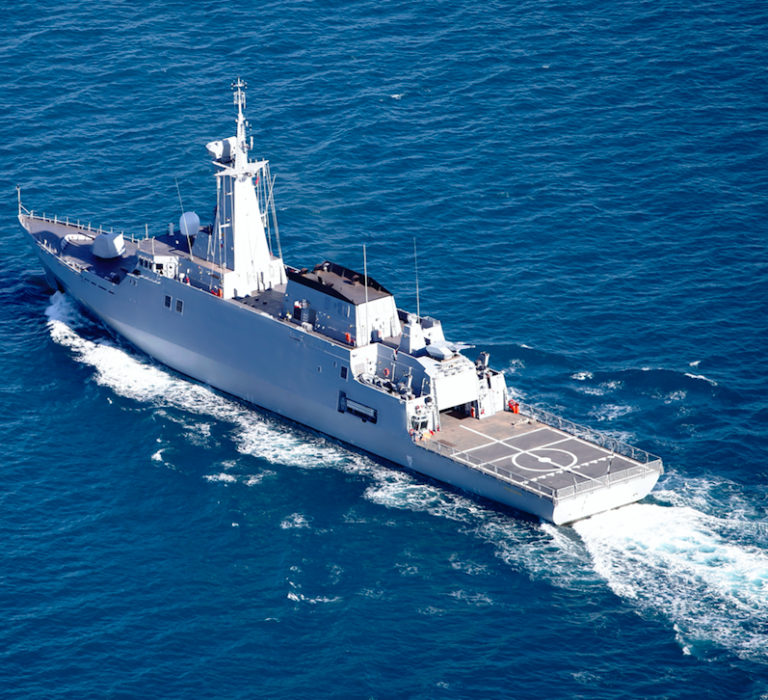
The Avante 3000, developed by Navantia, is a next‑generation offshore patrol vessel that stands out for its multi‑mission capability and adaptability to a wide range of operational scenarios. With a proven design and four units in service, this ship has demonstrated its effectiveness in long‑endurance operations at sea, even in adverse conditions. Its platform enables the integration of mission modules, auxiliary boats and air operations, making it a flexible tool for surveillance, support and combat tasks. In addition, its high level of automation reduces operating and maintenance costs, positioning it as a strategic option for navies seeking efficiency and versatility in their fleets.

Controlling maritime traffic, whether by inspecting ships or defending them against piracy, is a key activity for any country.
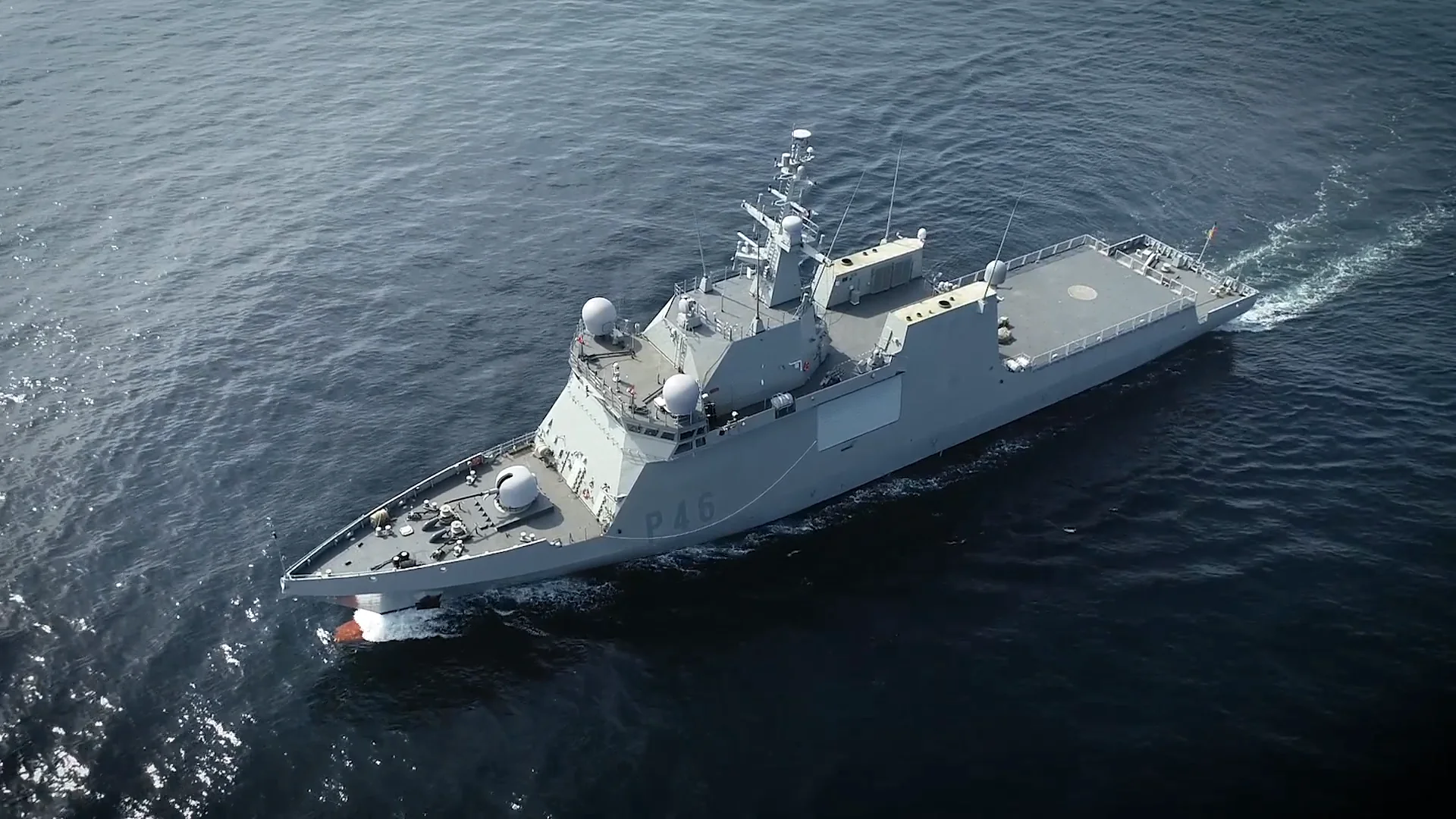
All countries seek to control their territorial waters to defend their territory against ever‑changing threats such as international terrorism, the proliferation of illegal weapons and drug and human trafficking. In addition, many navies are also responsible for oceanographic research campaigns, protection of underwater cultural heritage and defence of fishing resources.
Ultimately, these ships must be able to carry out very different missions, both in waters close to national territory and in international missions such as Operation Atalanta in the Horn of Africa or Operation Sophia in the Mediterranean.
Given the variety of missions patrol vessels must undertake, their design must ensure long periods at sea under optimal operating conditions and with reduced operating and lifecycle costs. They must also be prepared to operate in missions against marine pollution and search and rescue operations.
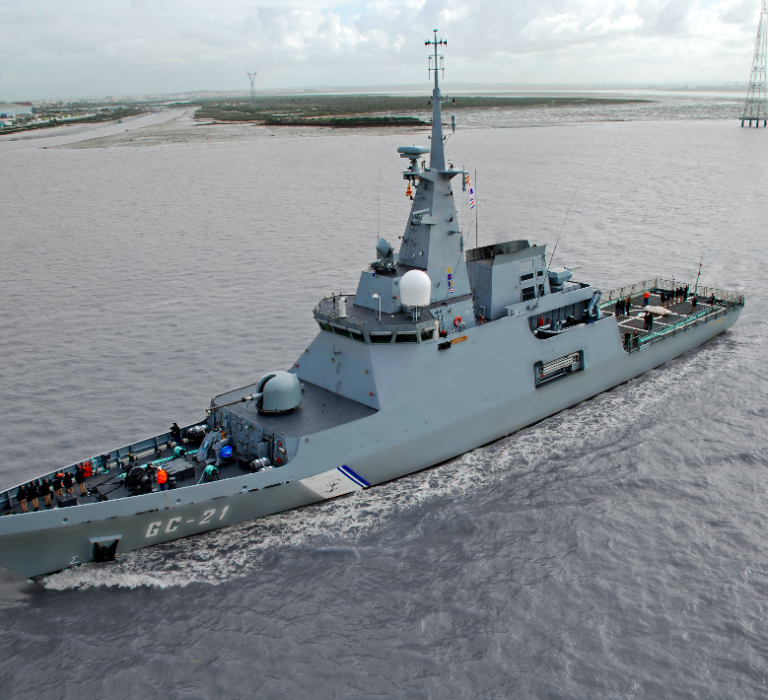
Navantia has built four BAM‑type units for the Spanish Navy (and has two more currently under construction), four POV‑type units (Offshore Patrol Vessels) and three BVL‑type units (Littoral Surveillance Vessels) for the Venezuelan Navy.
AVANTE Family
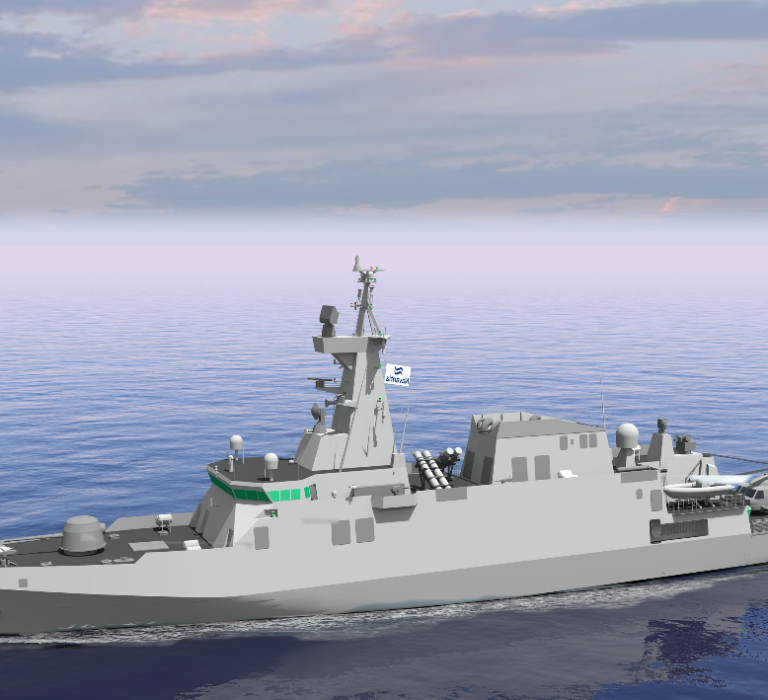
Navantia has developed a complete family of ships of different sizes, tailored to multiple missions, sharing standards and design philosophy so that all products benefit from lessons learned with previous patrol vessels. This approach also facilitates the adaptation of any chosen design to the specific requirements of each customer.
Considering four very different types of missions (research, support, patrol and combat), as well as a displacement range from 300 to 3,000 tonnes, the AVANTE family covers the entire spectrum of patrol vessels, from missile boats and hydrographic ships to coastguard vessels, offshore patrol vessels and patrol ships prepared for combat. The wide range of platforms is complemented by multiple design options that can be incorporated depending on each customer’s missions and specific needs. Thus, they can be configured with flight decks for air operations, hangars, hybrid propulsion plants, RHIBs, capacity to operate multi‑mission container modules, etc. The ship is also prepared to integrate future equipment that enhances its capabilities without requiring major structural modifications (“fitted for but not with” philosophy).
Finally, in terms of combat systems, weapons and sensors, Navantia has experience both in incorporating in‑house developed systems (placing responsibility for both platform and systems design on a single supplier) and in integrating systems from other providers into its platforms.
History of the BAM
The Maritime Action Ship (BAM) programme arose from the need to replace a heterogeneous group of Spanish Navy vessels, most of which were tasked with surveillance and patrol missions and nearing the end of their service life.
The BAM’s development process began with close cooperation between the Spanish Navy and Navantia, working jointly and simultaneously on defining requirements and consolidating their technical basis. The shared goal was to achieve ships with high performance, a high degree of commonality, strong versatility, high habitability standards for the crew and reduced acquisition and maintenance costs. The end result is a medium‑sized ship with high performance and great versatility in terms of missions compared to other vessels, both in acquisition cost and reduced lifecycle cost.
On 31 July 2006, the Navy and Navantia signed the Execution Order for the construction of four BAMs. The last of these units was delivered in 2012. On 1 August 2014, construction of two additional units was authorised, which were delivered in 2018.
Our Ships Sail Across the World
We develop cutting‑edge technology and act as a driving force for skilled employment and the economy