












Aircraft Carriers and Amphibious Ships
Projecting the capabilities of the Army and Navy
Back to Navantia Business Lines Menu

Advanced naval defence with versatile capabilities

Global operational support on the high seas
Effective coastal surveillance for demanding environments
STRATEGIC PROJECTION. AIR AND AMPHIBIOUS
Strategic sustainability through advanced logistics
Silent immersion with cutting-edge technologies
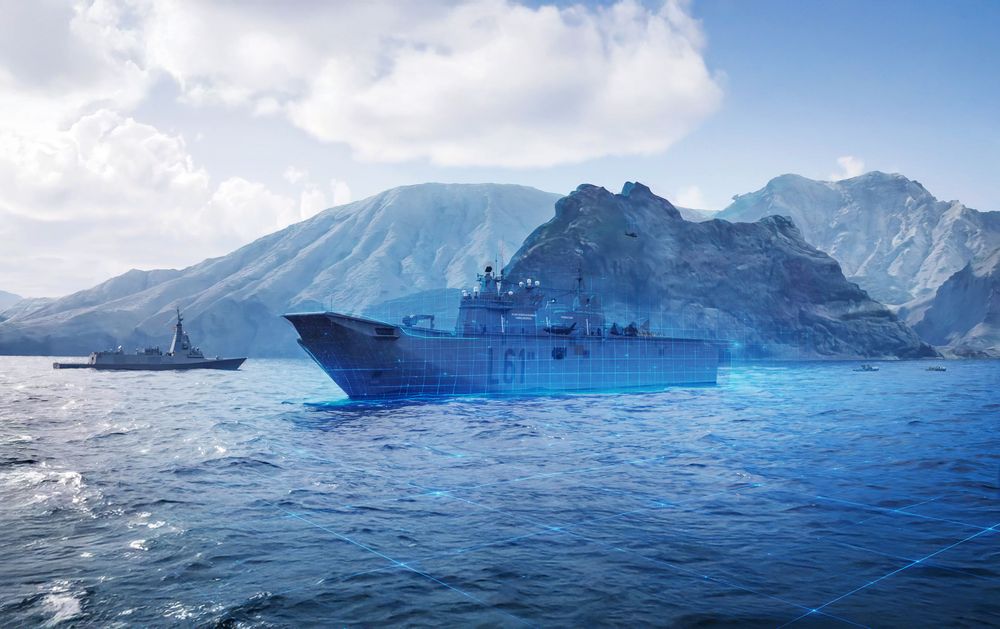
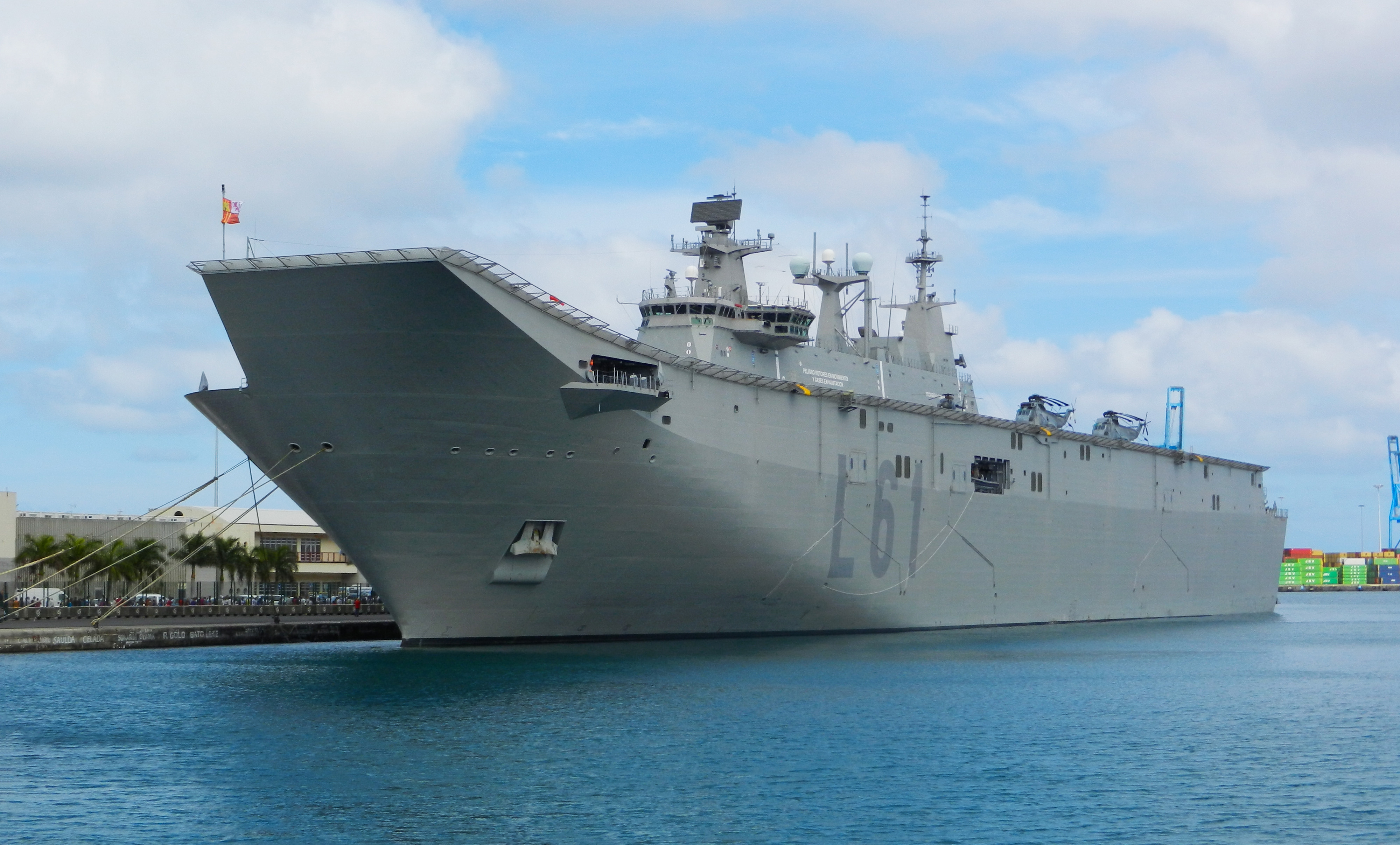
LHD Juan Carlos I
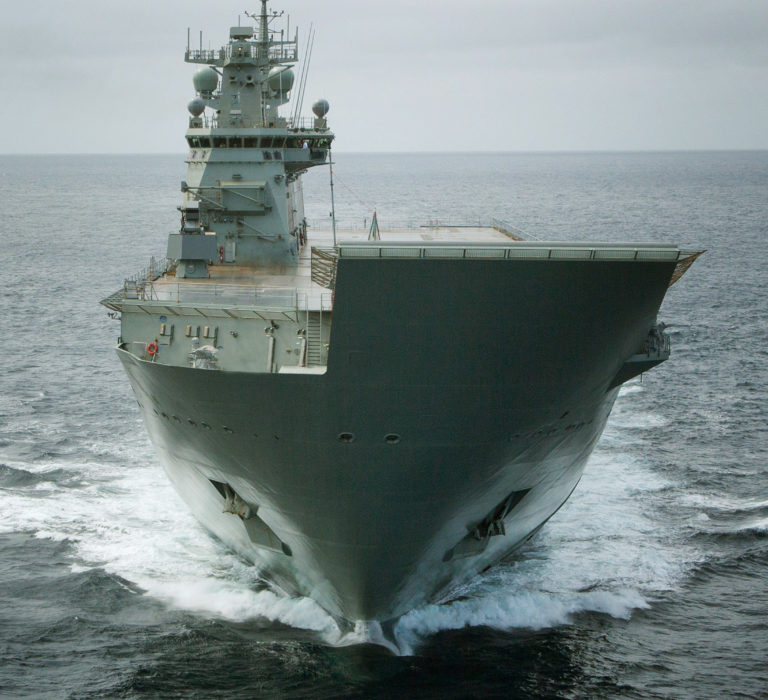
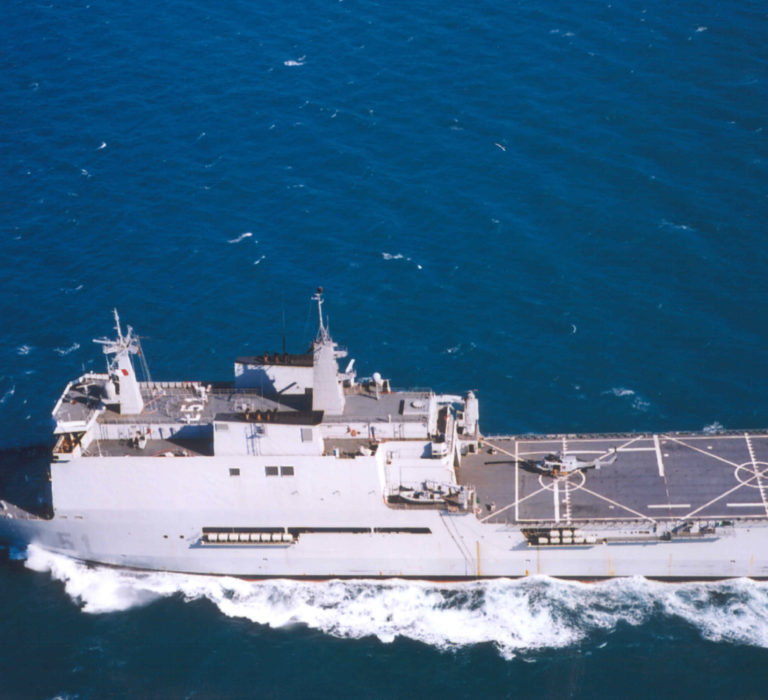
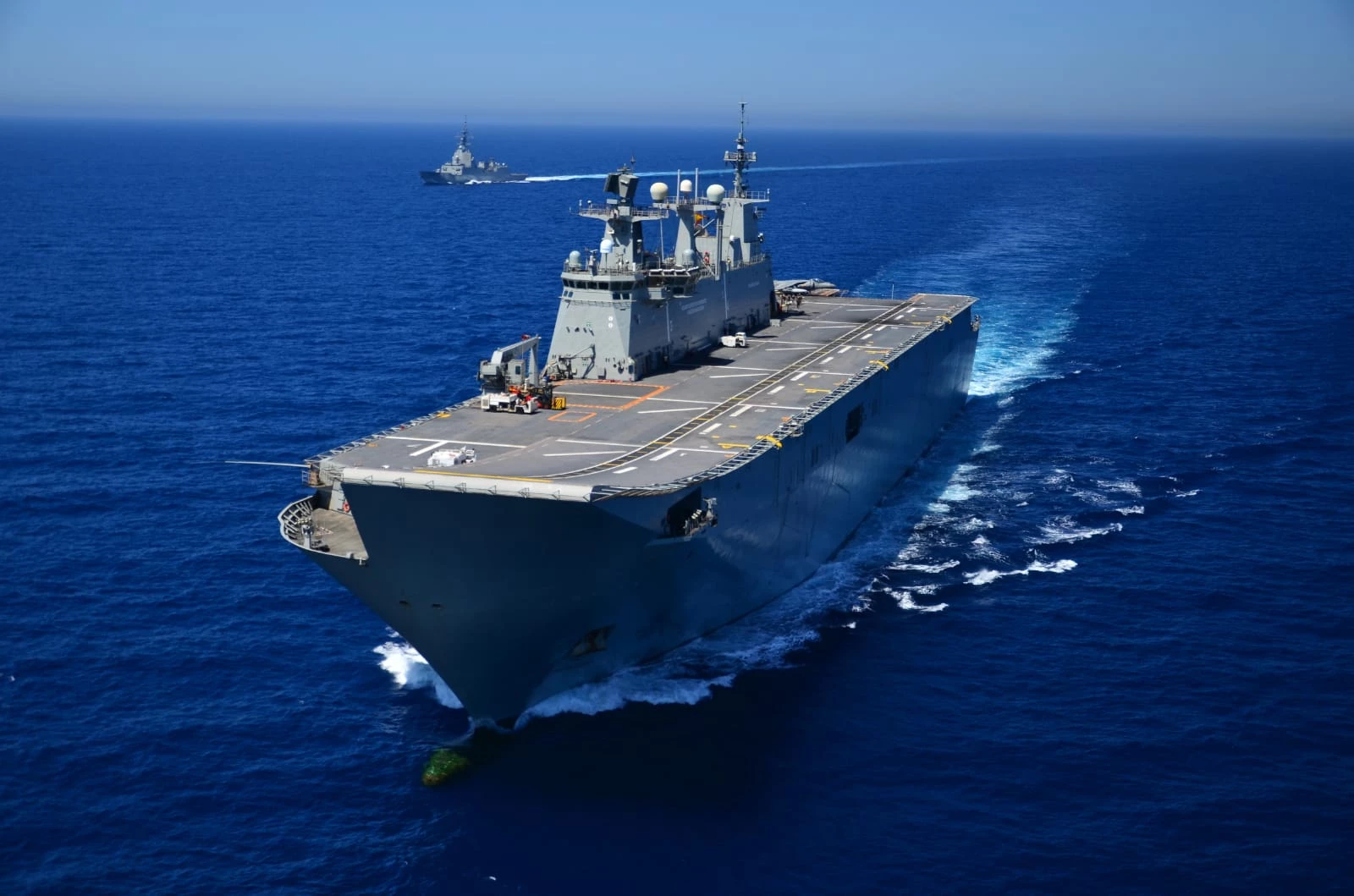
The Spanish Navy’s LHD “Juan Carlos I”, built by Navantia, combines amphibious projection, air operations and logistical support in a 231‑metre, 27,000‑tonne platform. Its floodable dock houses landing craft and amphibious vehicles, while the ski‑jump flight deck operates STOVL aircraft and helicopters. It can embark 900 marines, 46 main battle tanks or humanitarian cargo, making it a strategic asset for defence and international missions.

The largest type of military ship designed and built by Navantia is a key platform for expanding Army, Air Force and Navy capabilities in international scenarios and diverse missions.
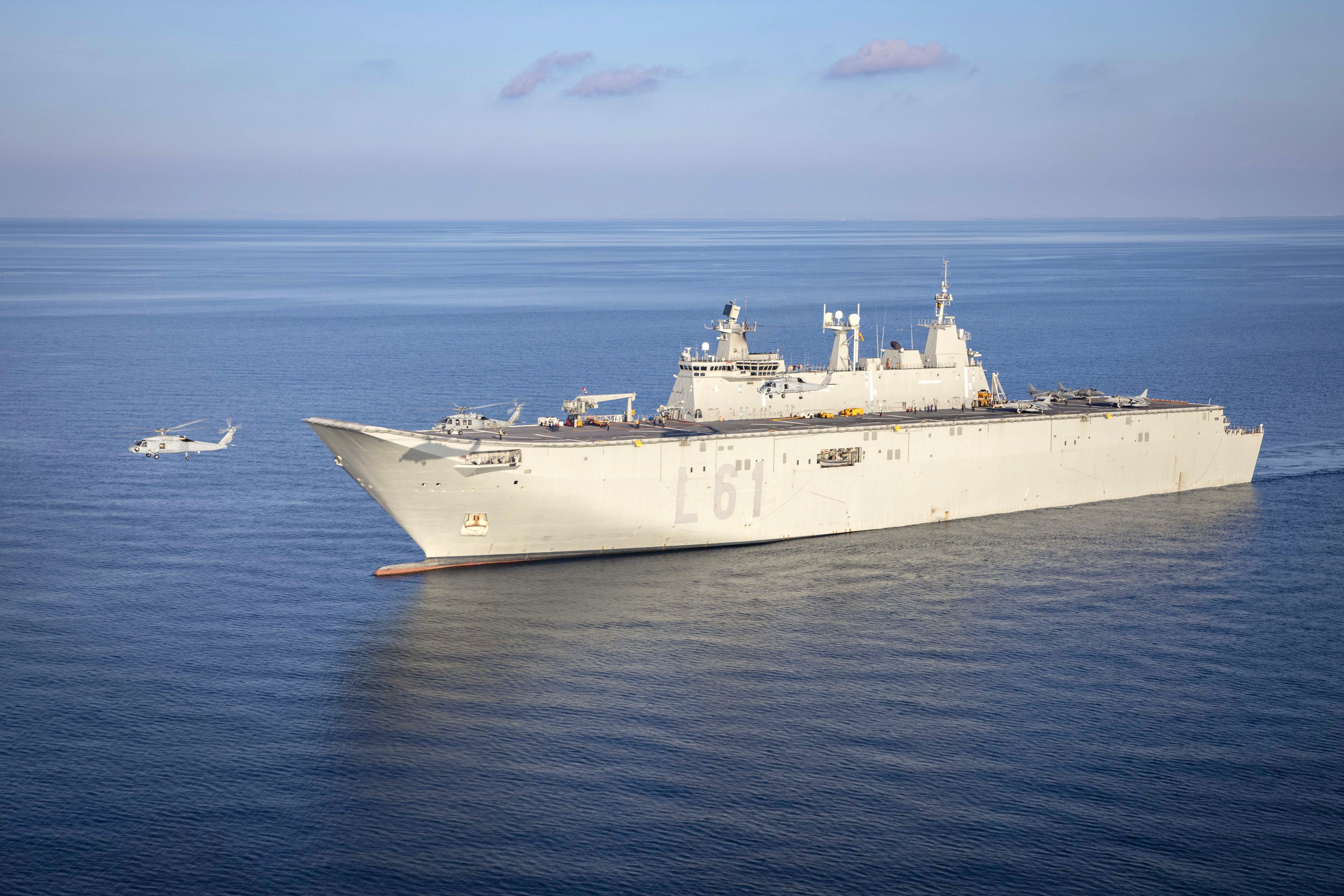
Thanks to its high troop and equipment transport capacity and versatility to operate with a wide range of air assets and fast landing craft, the ship can undertake four main missions:
Amphibious operations: projection of units from the sea
Aircraft carrier: projection and operation of air assets
Strategic projection: transport and logistical support for troops
Humanitarian action: emergency response in the event of natural disasters
Navantia has built the Juan Carlos I for the Spanish Navy and the Adelaide and Canberra for the Royal Australian Navy.
A new ship of this type is currently under construction for the Turkish Navy at a local shipyard. In addition, Navantia designed and built 14 LCM1 landing craft for the Spanish Navy and another 12 for the Royal Australian Navy.
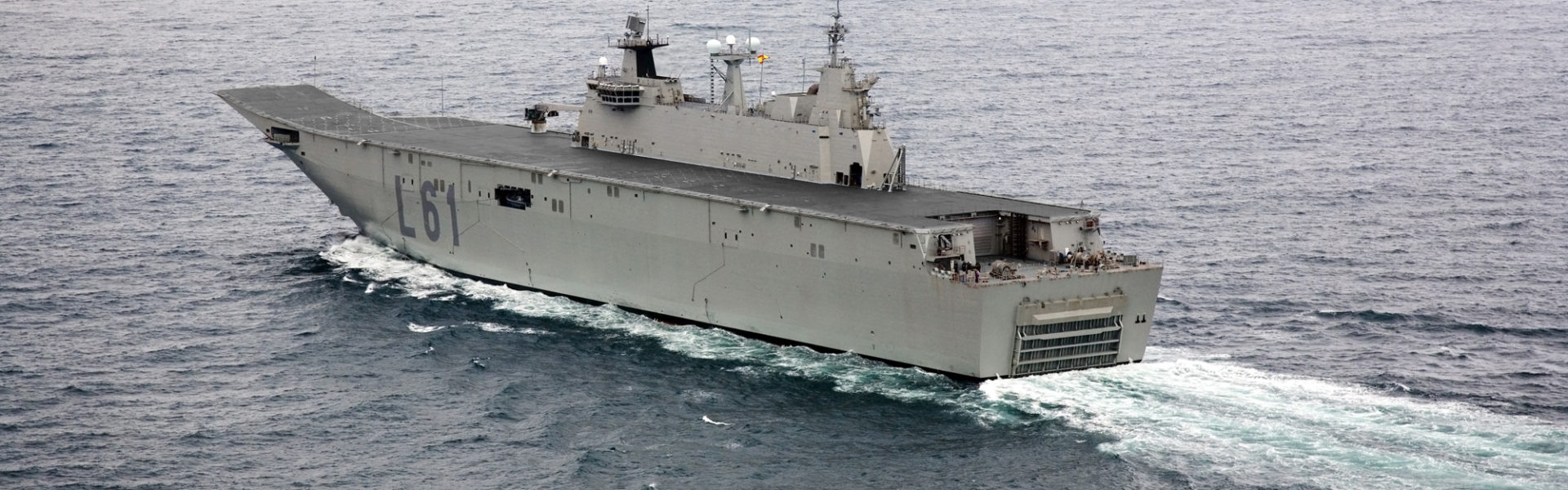
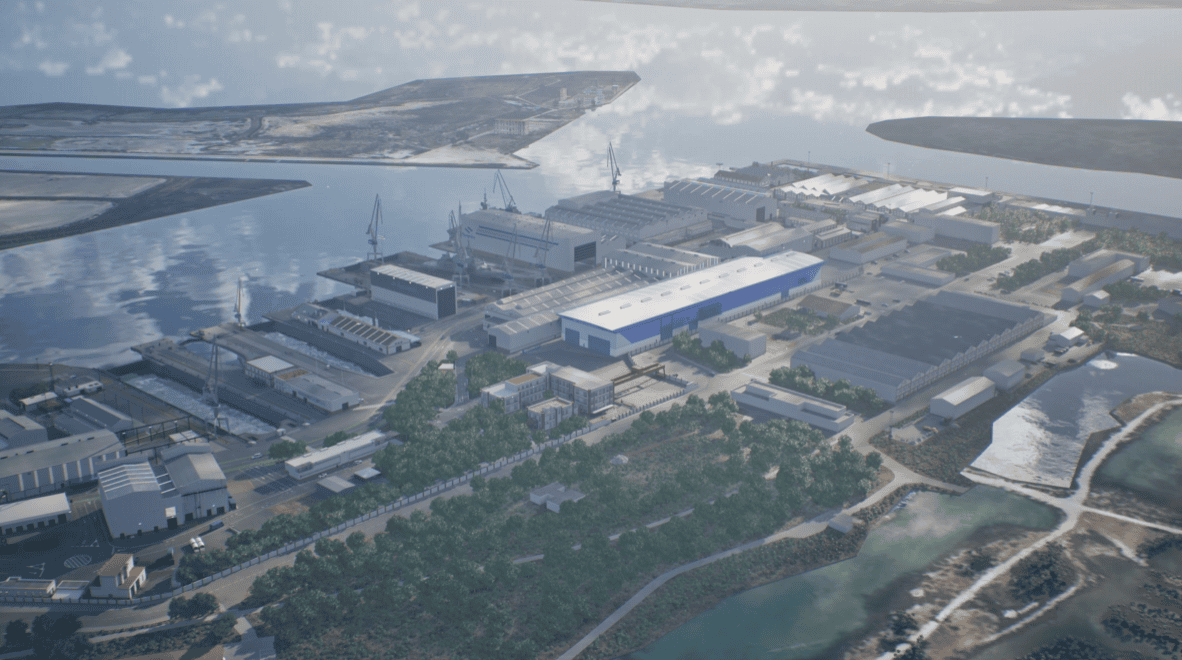
Construction began in May 2005 at the Ferrol shipyard. She was launched on 10 March 2008 and delivered to the Spanish Navy in September 2010. Direct and indirect work totalled nearly 10 million man‑hours in Spain. Her home port is the Rota Naval Base in the province of Cádiz. The launching ceremony was attended by HM King Juan Carlos I, and the ship was christened by HM Queen Sofía of Greece and Spain.
She is the flagship of the Spanish Navy and combines the alternative capabilities of an aircraft carrier, amphibious ship, strategic projection vessel and humanitarian aid platform. This multi‑purpose, interoperable, trained and ready unit can operate successfully in a wide range of scenarios. The Chief of the Spanish Navy, Admiral Jaime Muñoz‑Delgado y Díaz del Río, describes her as “a technologically advanced unit” and states that her design and construction entirely in Spain “is a clear demonstration of the capabilities achieved by our defence industry.”
Following the construction of the Juan Carlos I for the Spanish Navy, in service since 2010, the ship has had a major international impact. Numerous navies have expressed interest after seeing the ship’s remarkable capabilities. The investment effort made by the Spanish people not only improved the country’s security and defence, but also helped create a cutting‑edge industry with advanced design, systems and technologies that has strengthened Navantia’s international leadership.
This effort, in addition to significant direct economic returns for Spain from the LHD itself, has enabled Navantia to estimate further economic returns through additional international contracts of around €2.5 billion. Australia contracted three more ships —two LHDs and one Combat Support Ship— and the Turkish Navy ordered the first unit of a ship similar to the Juan Carlos I, to be built at a local yard.
The benefits of these contracts flow directly to Navantia (around €1.6 billion from construction) and, through Navantia, to the defence industry and other strategic sectors of the national economy in both military and civil fields. It is estimated that the broad driving effect of the LHD’s construction, together with these international contracts, has generated additional revenues for other Navantia businesses and for Spanish industry of over €1.29 billion, creating more than 3,300 direct and indirect jobs per year over the last decade.
The Spanish Navy’s flagship, the Juan Carlos I, embarked on its first overseas mission in May. In the Persian Gulf, it carried out the maritime deployment of a Spanish Army helicopter unit to Iraq as part of Operation Inherent Resolve. On its return, it called at Mumbai in support of Navantia, as the company is competing in an Indian tender for the construction of four Juan Carlos I‑type LHDs.
The President of Navantia and a large delegation showcased the ship’s capabilities to political and military authorities. The mission to Iraq was undertaken at the request of the International Coalition Against Daesh, deployed in 2015. The ship joined the coalition of sixty countries to provide heavy and medium rotary‑wing transport capabilities, benefiting both Spanish forces and those of other partners. The strategic projection ship Juan Carlos I was escorted and supported by the frigate Blas de Lezo. The group, with its embarked air wing of Harrier combat aircraft and helicopters, departed from Rota in early May, transiting to Kuwait via the Suez Canal, the Bab el‑Mandeb Strait and the Strait of Hormuz in the Persian Gulf. On the return journey, it called at Mumbai and Alexandria to conduct Defence Diplomacy activities and promote the national industry.
In service with the Spanish Navy since 2010, Juan Carlos I has a crew of 295 sailors and is based in Rota (Cádiz). The Blas de Lezo, with 201 personnel and a helicopter, is an F‑103 frigate equipped with the Aegis combat system, enabling it to detect and track any aerial threat; it is based in Ferrol (A Coruña). Spain currently deploys around 370 military personnel and Guardia Civil officers in Iraq on training missions for the Iraqi Army. With the arrival of the helicopters at Taji base, an additional 60 permanent personnel joined the contingent.
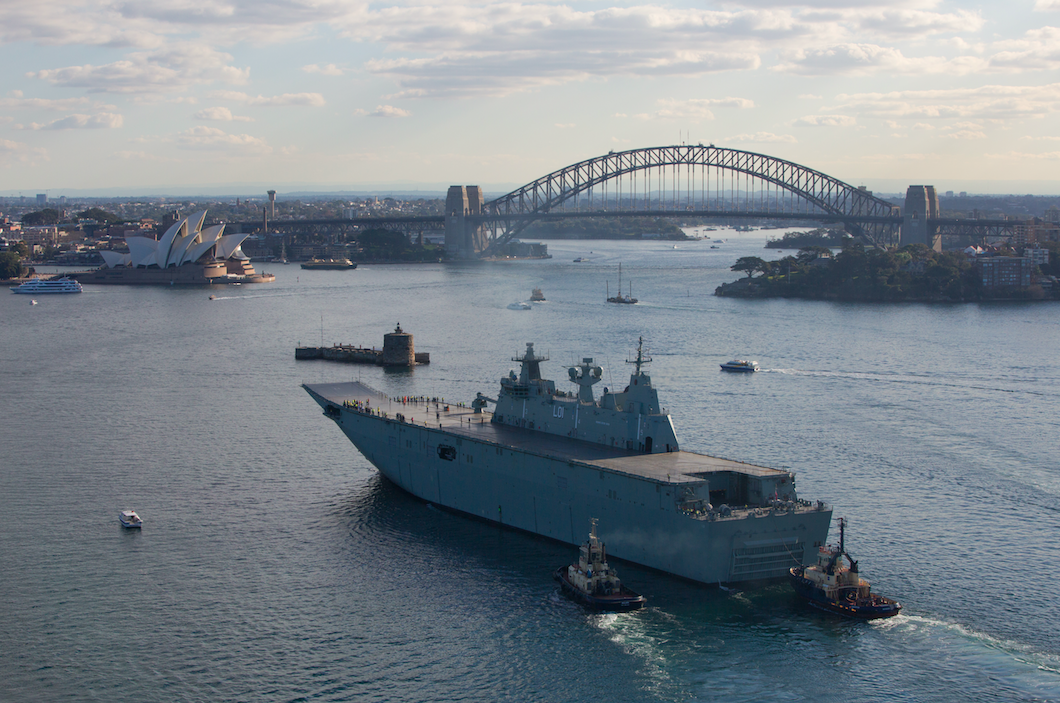
Beside Sydney Harbour lies Garden Island, home to HMAS Canberra and HMAS Adelaide, the Royal Australian Navy’s flagships. These were built by Navantia in the Ferrol estuary using Spanish design and technology, with final outfitting and trials completed in Melbourne. Both ships have already successfully operated in numerous missions.
The first, HMAS Canberra, was launched in February 2011 and delivered in November 2014. In addition, twelve landing craft were built in Spain, in the Bay of Cádiz, to operate from these ships, providing them with exceptional amphibious capability.
The amphibious capability of these ships makes them extremely valuable for deploying humanitarian aid in crisis situations, as demonstrated in 2010 when the ship Castilla supported relief efforts following the Haiti earthquake, and again in 2012 during anti‑piracy operations in the Indian Ocean and off Somalia. Spanish amphibious ships took part in Operation Atalanta (August 2012 – December 2012), fighting piracy off the Somali coast, protecting WFP (World Food Programme) and AMISOM (African Union Mission in Somalia) vessels and ensuring the safety of maritime traffic in the Indian Ocean, particularly for Spanish fishing fleets. The ships built for Australia have also participated in humanitarian aid missions, such as those in Haiti.
These ships can also serve as coordination centres in any type of disaster, as they can accommodate up to 1,000 civilians, have a reverse‑osmosis water treatment plant capable of supplying seawater‑derived drinking water to up to 5,000 people, and feature a power plant with sufficient capacity to supply electricity to small urban areas. The ship can transport and deploy up to 170 vehicles and 50 containers in ports lacking full infrastructure.
Our Ships Sail Across the World
We develop cutting‑edge technology and act as a driving force for skilled employment and the economy