












Heritage
We protect and care for the natural environment responsibly.

Discover Navantia’s Legacy.
Tradition and Innovation in the Naval Industry

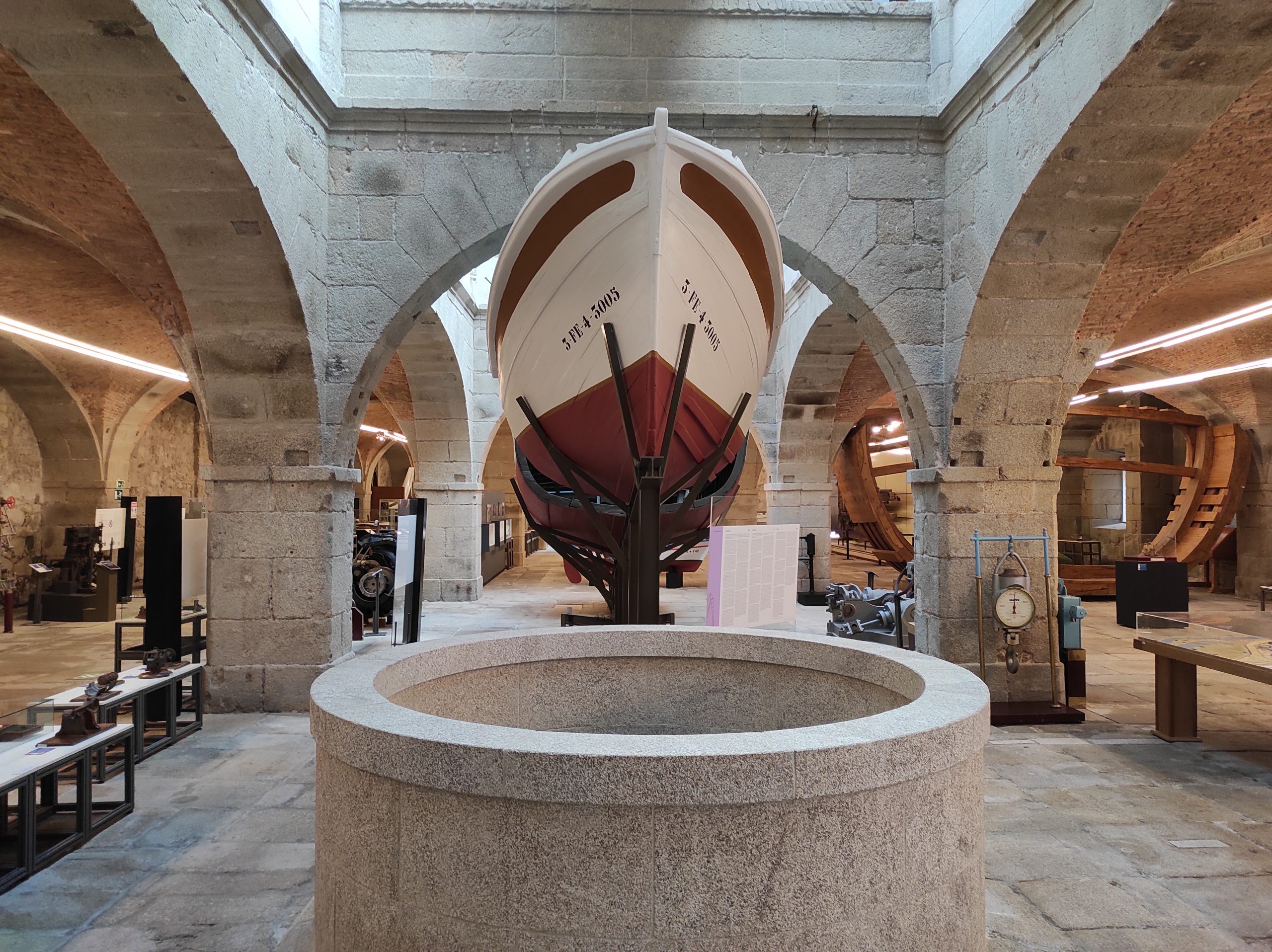
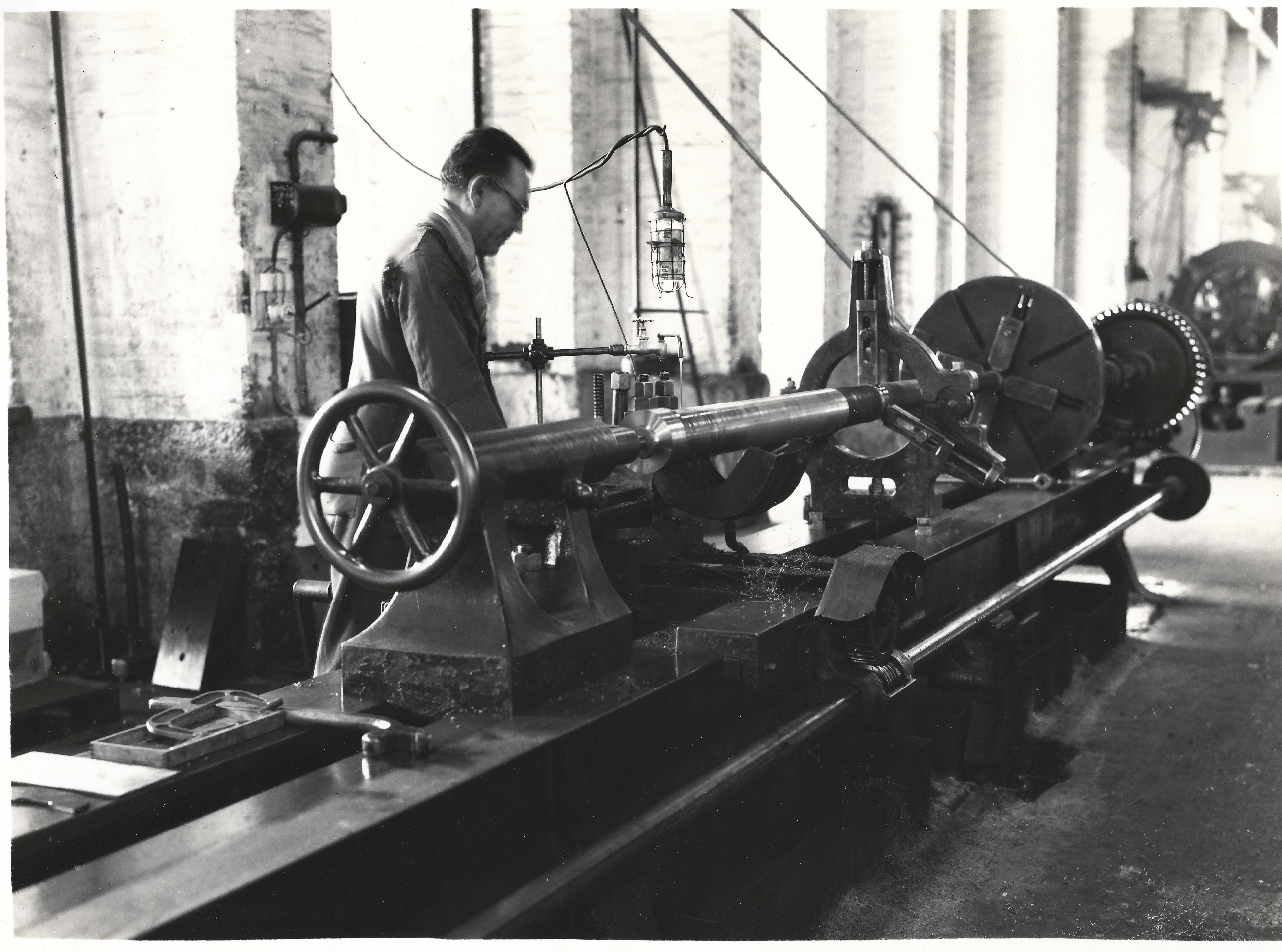
Navantia has more than 300 years of history, passed down to us through heritage located at its various sites. This industrial heritage not only helps us understand the history of shipbuilding, but also reflects Navantia’s role as a driving force in Spanish shipbuilding. Over the years, Navantia has been showcasing its heritage by identifying and classifying elements such as documents, photographs and artefacts, and it has even been awarded Asset of Cultural Interest status by the Regional Government of Andalusia since 2001 for the El Dique Museum. Today, all sites are developing initiatives to recover industrial naval heritage.
Navantia’s heritage, a living witness to the history and innovation of shipbuilding in Spain
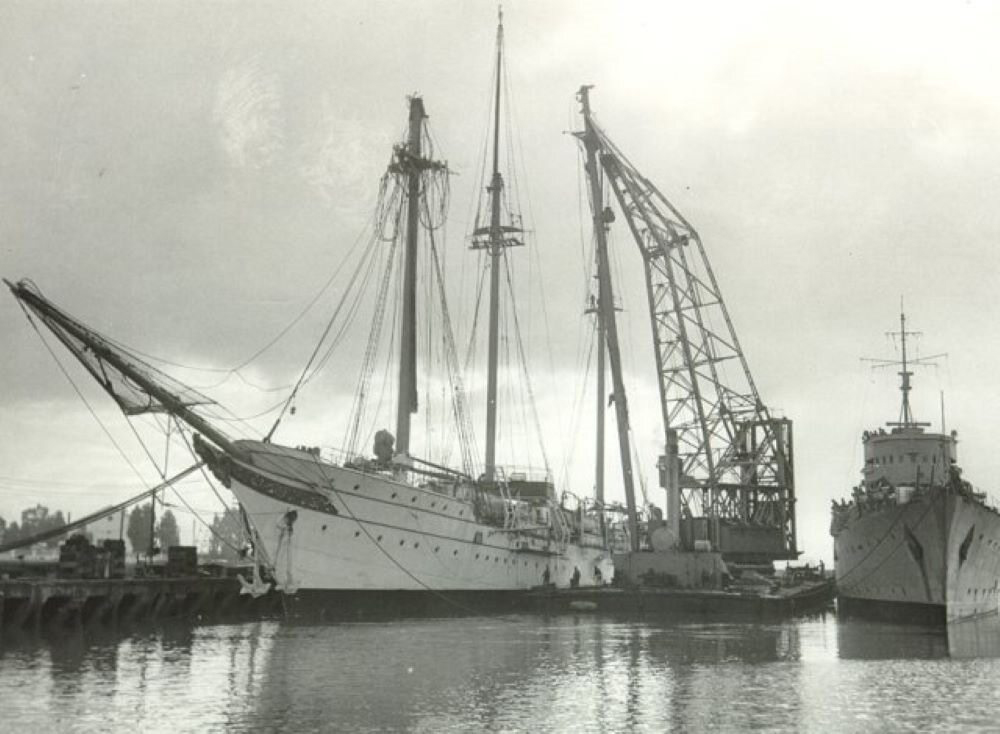
Navantia’s historical heritage showcases its importance in Spanish shipbuilding, as the documents, photographs and artefacts found illustrate the development of shipbuilding and innovation over decades. For this reason, various initiatives at the Bay of Cádiz, Cartagena and Ría de Ferrol sites aim to preserve this heritage as part of Navantia’s identity. However, it is not only the historical elements that mark these milestones, but also emblematic ships such as the Juan Sebastián Elcano, which were built at Navantia’s current facilities. Our heritage assets are living narratives of past eras that tell the story of progress in shipbuilding and have shaped the historical and cultural character of the surrounding regions, defining traditions, ways of life and social relationships.
Heritage in the Bay of Cádiz
At Navantia’s current San Fernando Shipyard, more than 500 constructions have been carried out — a remarkable figure, considering that the first launch took place on 20 November 1730 with the first ship of the line, the Hercules 2. This history is clearly reflected in the modern shipyard, as well as in Sistemas San Fernando, which also has several initiatives to recover heritage through photographs, artefacts and documents showcasing more than 300 years of the Artillery Factory and over 40,000 35 mm negatives in its archives.
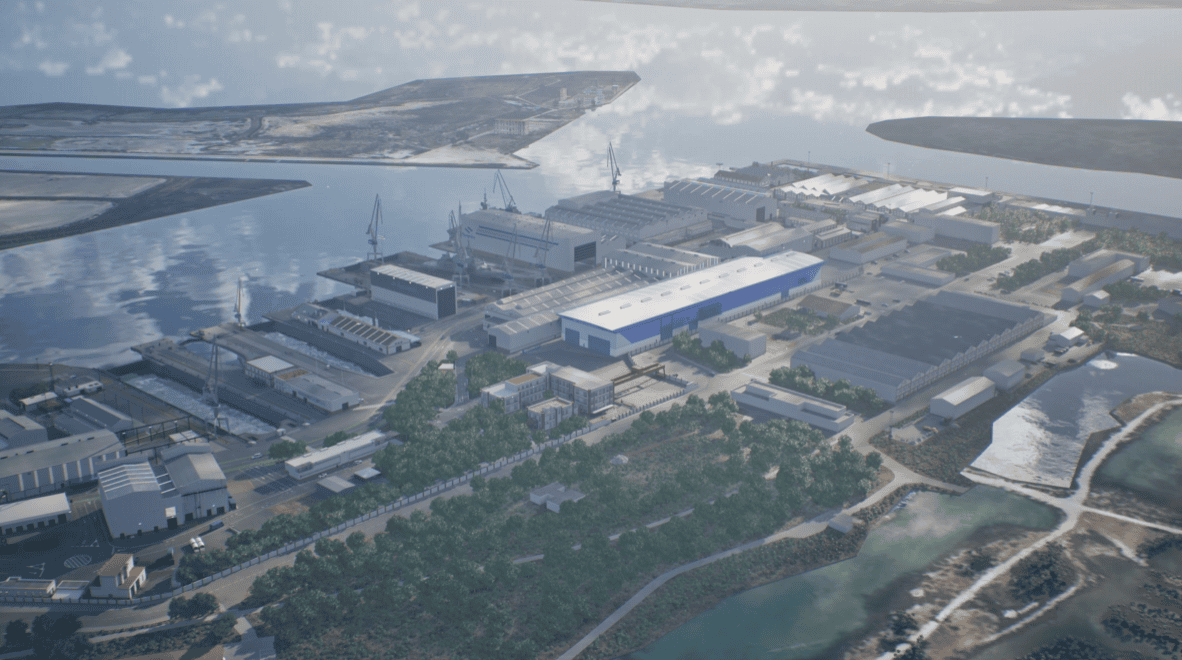
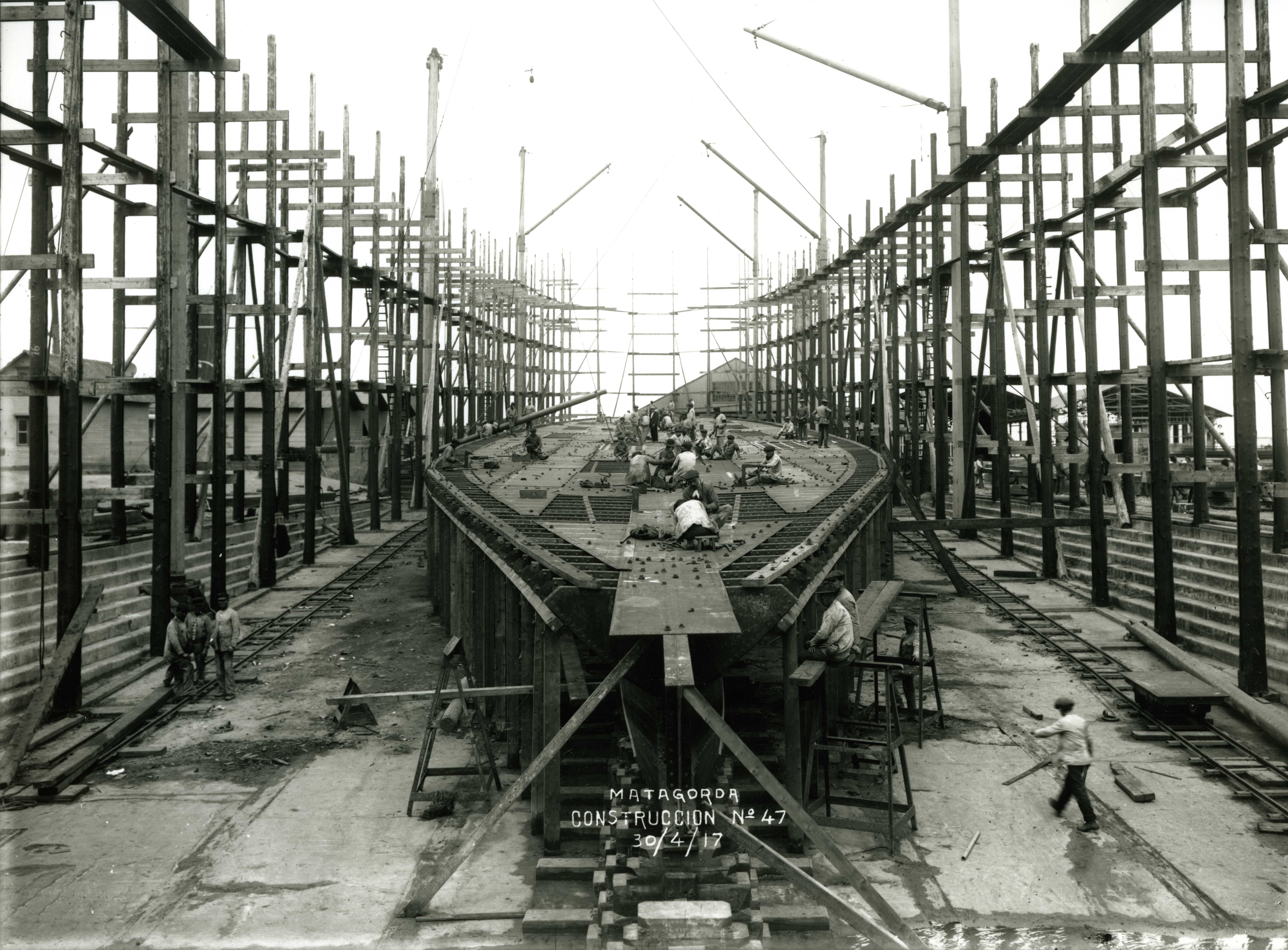
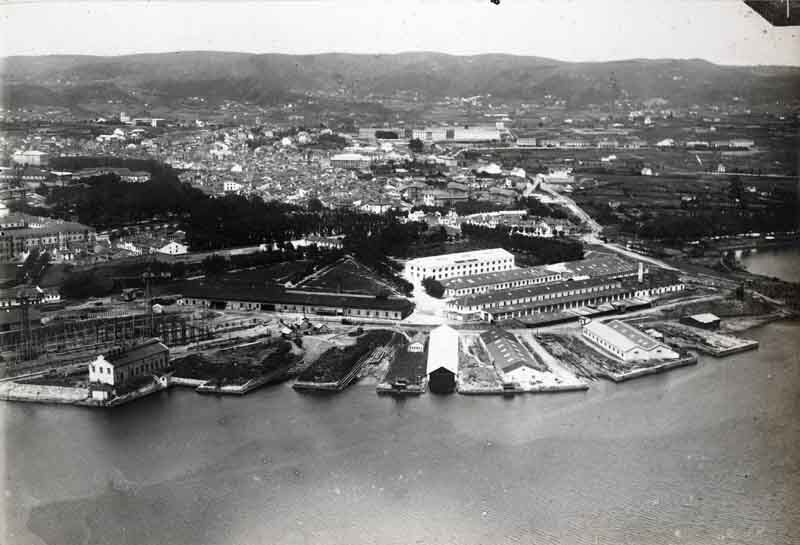
The Matagorda Shipyard (now Puerto Real) began operations in 1878 with the repair of the steamer Guipúzcoa. Years later, on 21 July 1891, the Cádiz Shipyard was founded; its heritage is now preserved by Navantia, with some of it still visible at the site.
Heritage in Cartagena
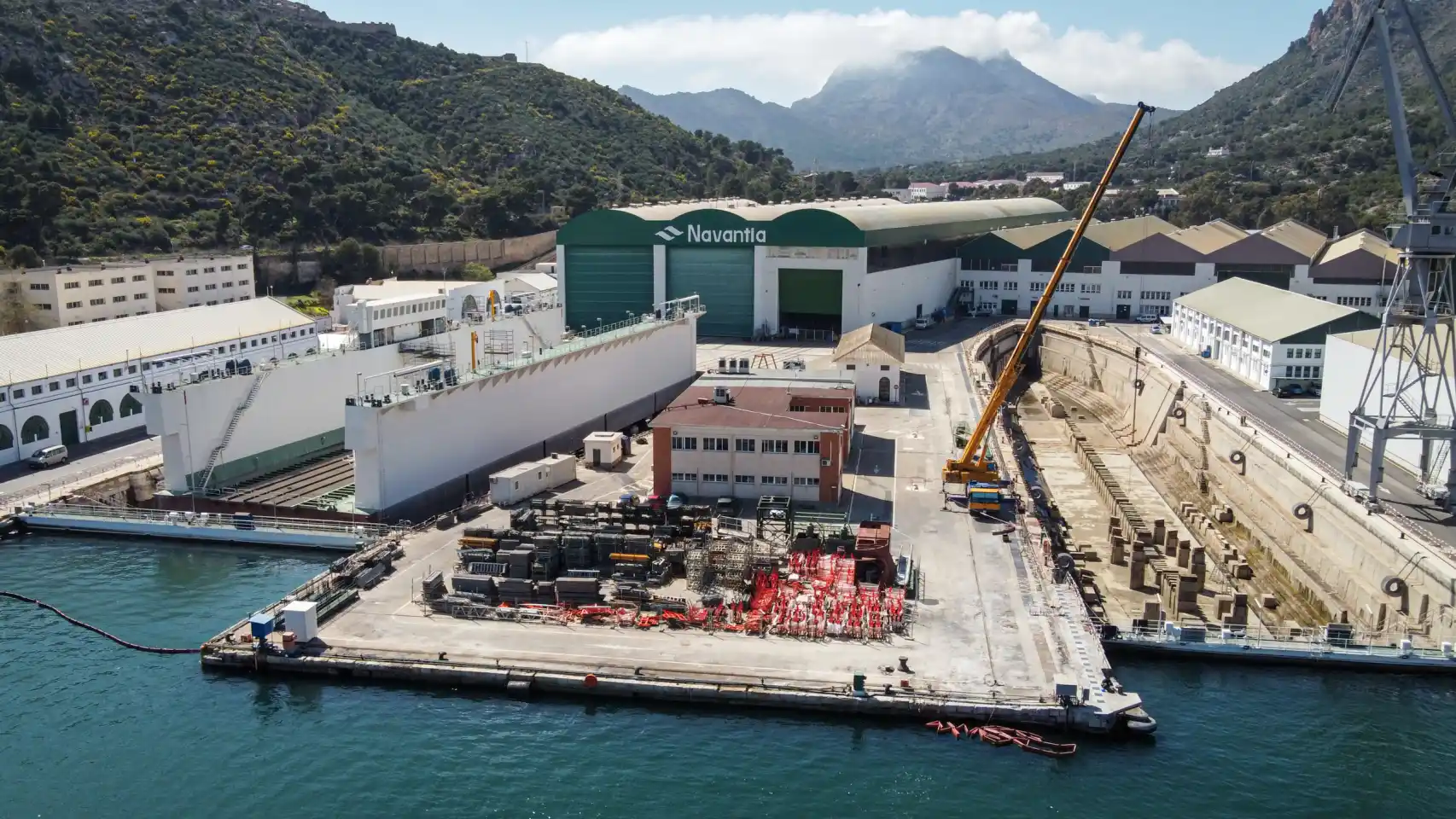
The current Cartagena Shipyard has its origins in the old arsenal built in 1732. For much of the 18th century, it was the most important industrial centre in the Mediterranean due to its high production of ships of the line and frigates. Over the course of its history, the yard’s facilities have been expanded, for example in 1849 and 1889 with plant electrification and the construction of a large dry dock. The most notable milestone came in 1918, when the dry docks began to be used for submarine berthing, leading to the establishment of the Spanish Navy’s submarine flotilla (FLOSUB). Cartagena began building submarines, marking one of the great milestones in Spanish shipbuilding. The first were the B‑class, with six units launched between 1922 and 1926. This legacy continues today at the shipyard and can be seen in the heritage elements preserved on site.
History of Heritage in the Ría de Ferrol
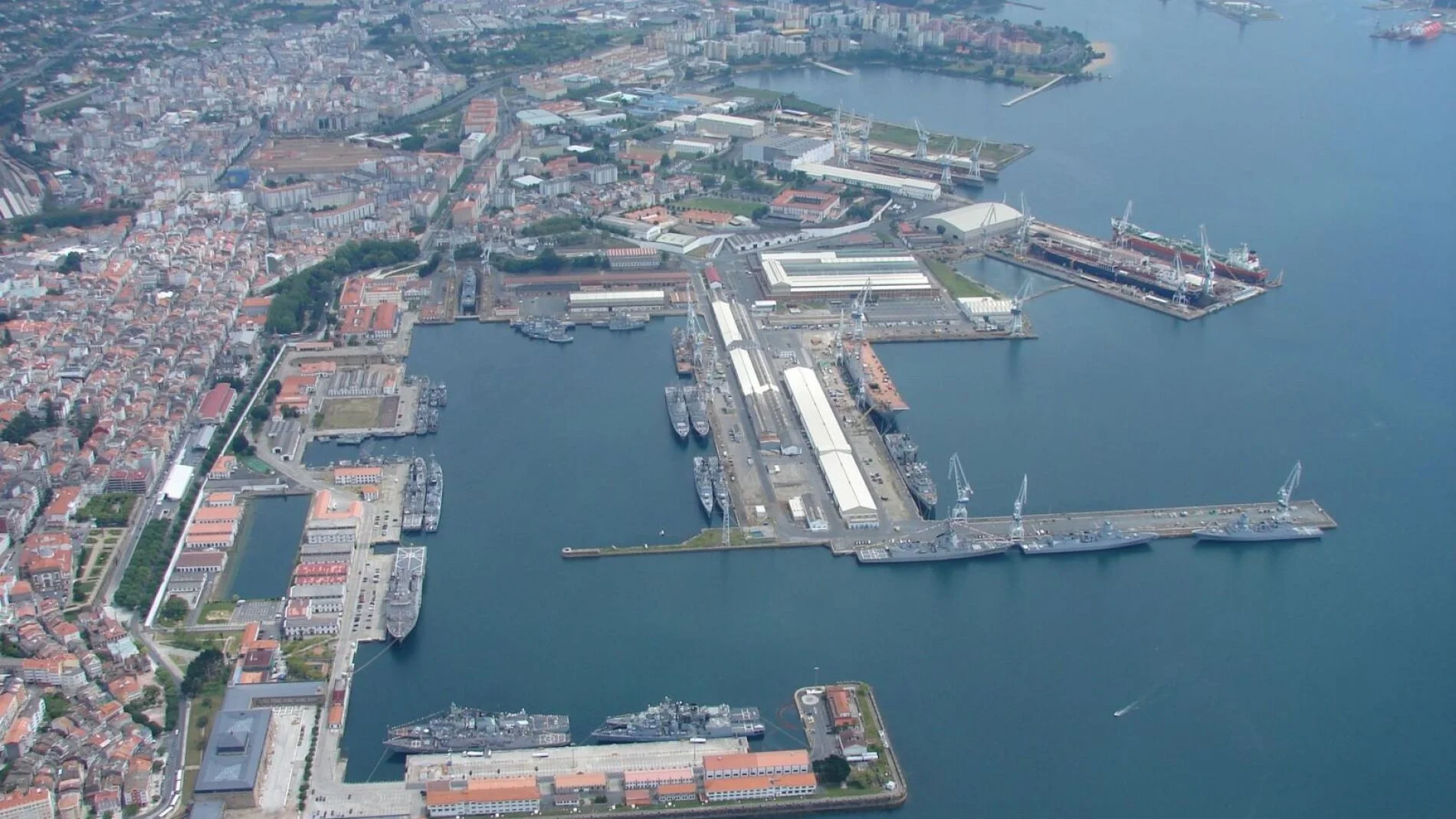
Navantia Ría de Ferrol, comprising the Ferrol and Fene yards, is a benchmark in the Galician and Spanish naval industry thanks to its long history and capacity for innovation. On one side of the estuary is the Ferrol shipyard, founded in the mid‑18th century to serve the Spanish Navy, to which it has provided service ever since. Over the centuries, it has diversified into construction for foreign navies and civilian ships, their repair and conversion, as well as turbine manufacturing and maintenance.
On the opposite shore, in the municipality of Fene, Astano emerged in 1941 from a small riverside shipyard, initially dedicated to building civilian ships and converted in the 1980s to focus on offshore construction. Today it is a reference in the manufacture of offshore wind structures.
The Industrial and Cultural Legacy of the Ría de Ferrol
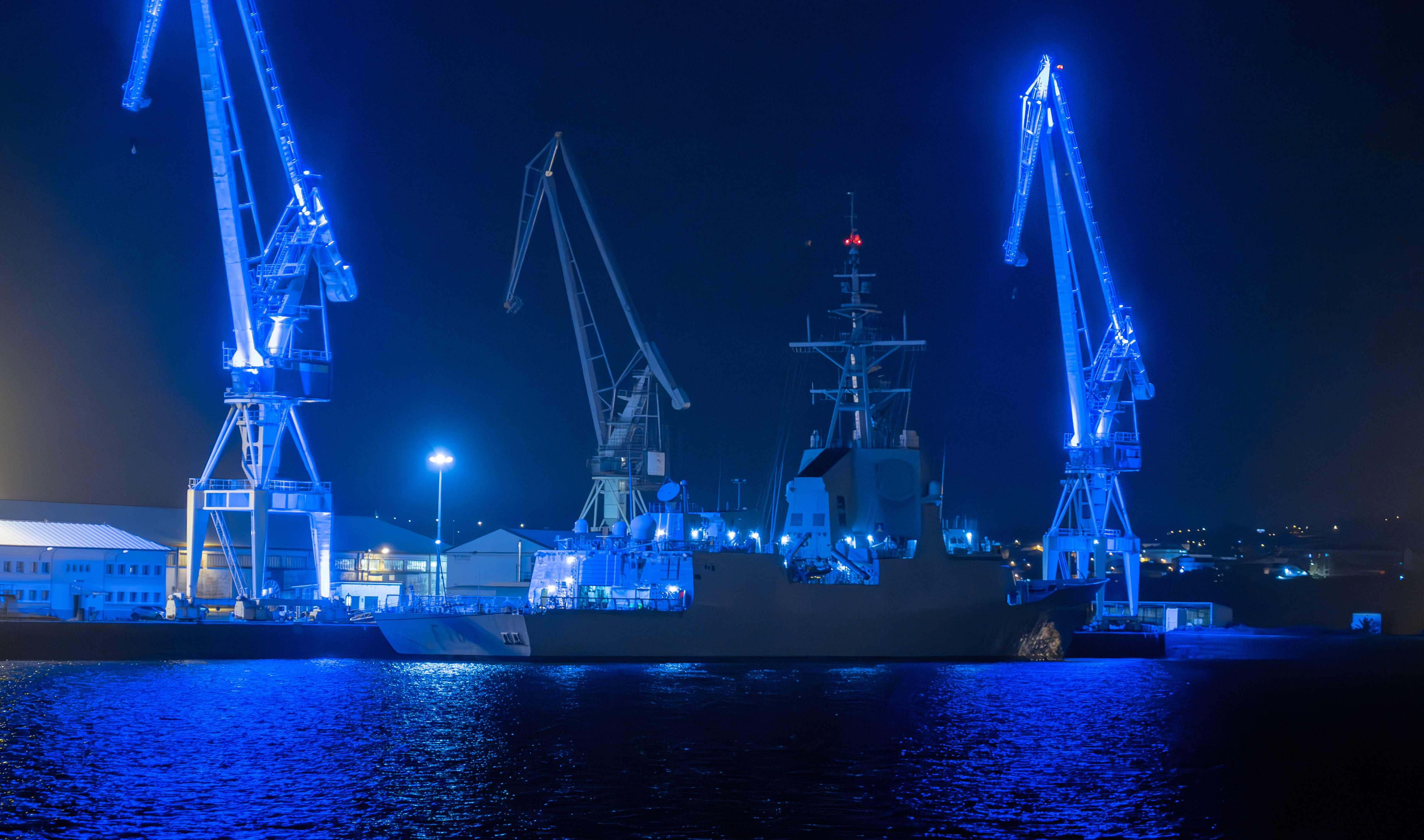
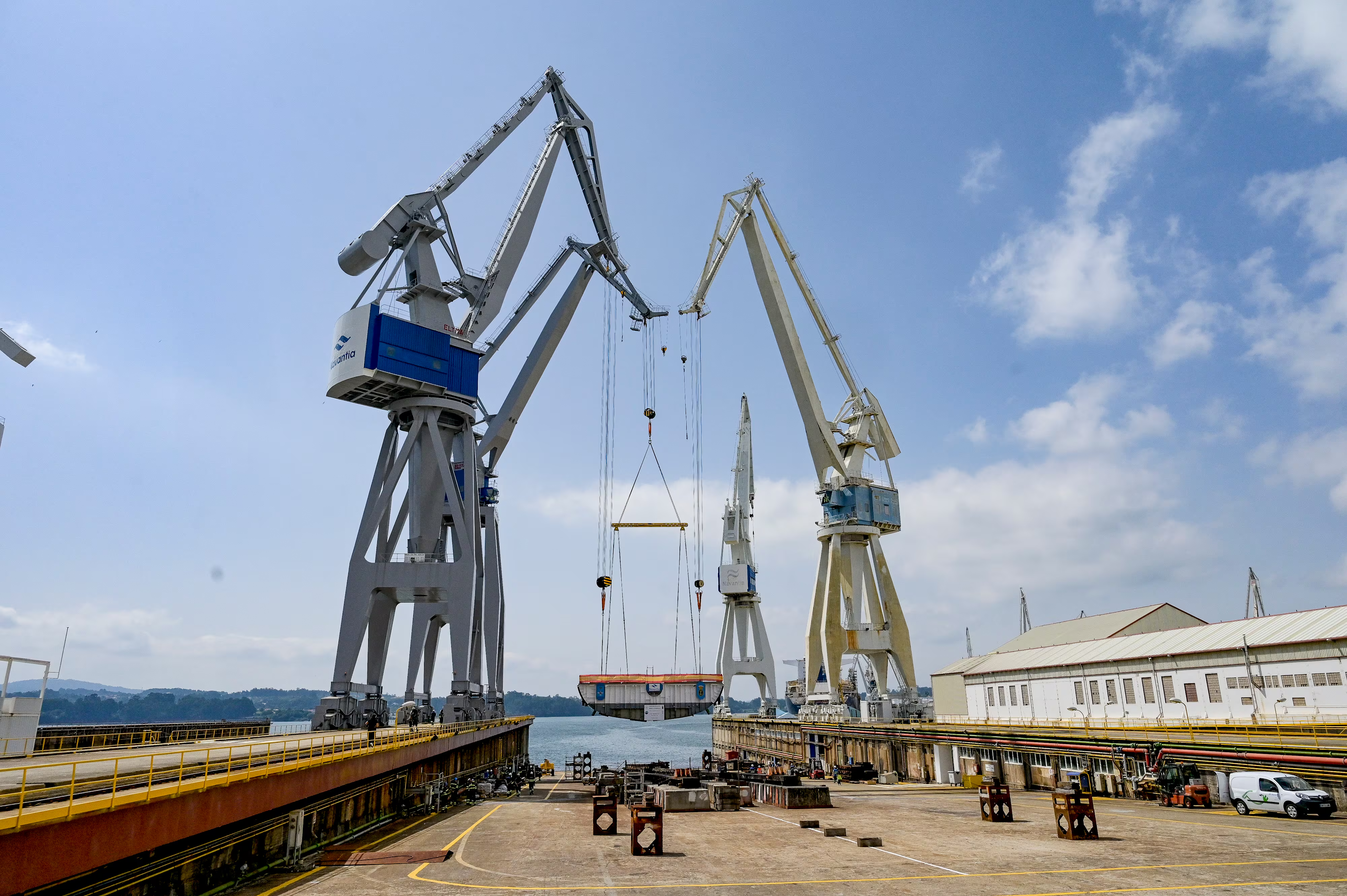
Among its most emblematic elements are the Gran Tinglado, one of Ferrol’s oldest buildings, and the Reina Victoria Eugenia Dry Dock, the setting for the oldest surviving moving images of Galicia. Our cranes are also part of this legacy, particularly the Fene Goliath Crane, a 145‑metre‑span, 87‑metre‑high structure that has become the iconic symbol of the region’s skyline. All of these assets, still in use, reflect adaptation to different industrial and social changes, without losing sight of our roots.
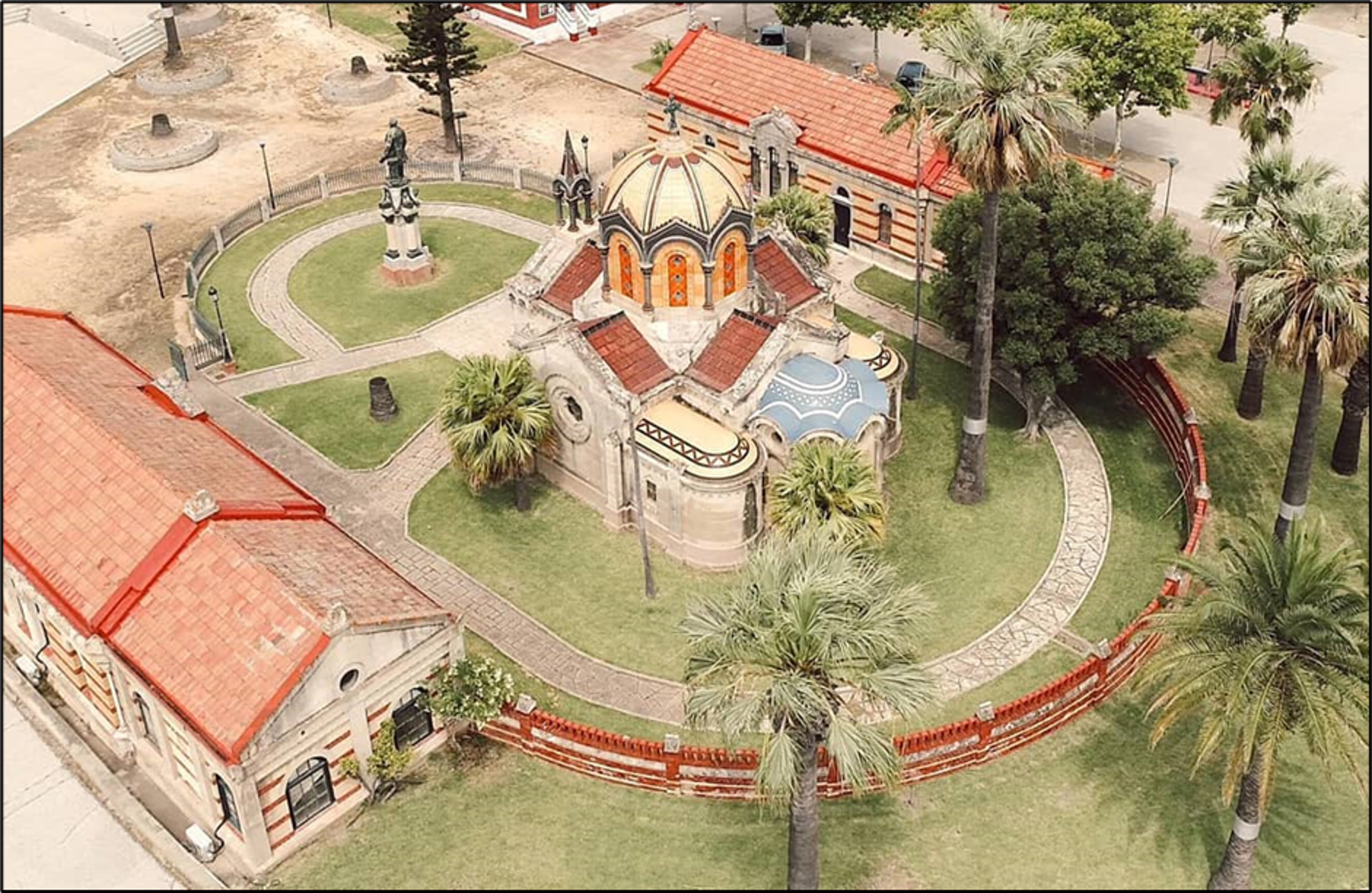
El Dique Museum
Twenty‑eight years ago, a project was launched to catalogue, quantify and value the heritage accumulated over more than a century by the now‑closed Matagorda shipyard. Not only were old facilities and materials recovered, but also the very memory of the Spanish shipbuilding industry. The heritage assets range from photographs and films to hand tools and designs for emblematic ships and alternative works. The “El Dique” Museum offers visitors an outstanding permanent exhibition in accessible facilities and an immense ethnographic and documentary heritage that reveals a reality unknown to many. The El Dique Museum currently offers visits for educational and cultural groups, Monday to Friday mornings by appointment. For more information, please contact us.